

Blog
Best Hiking Comfort Products for Long Days

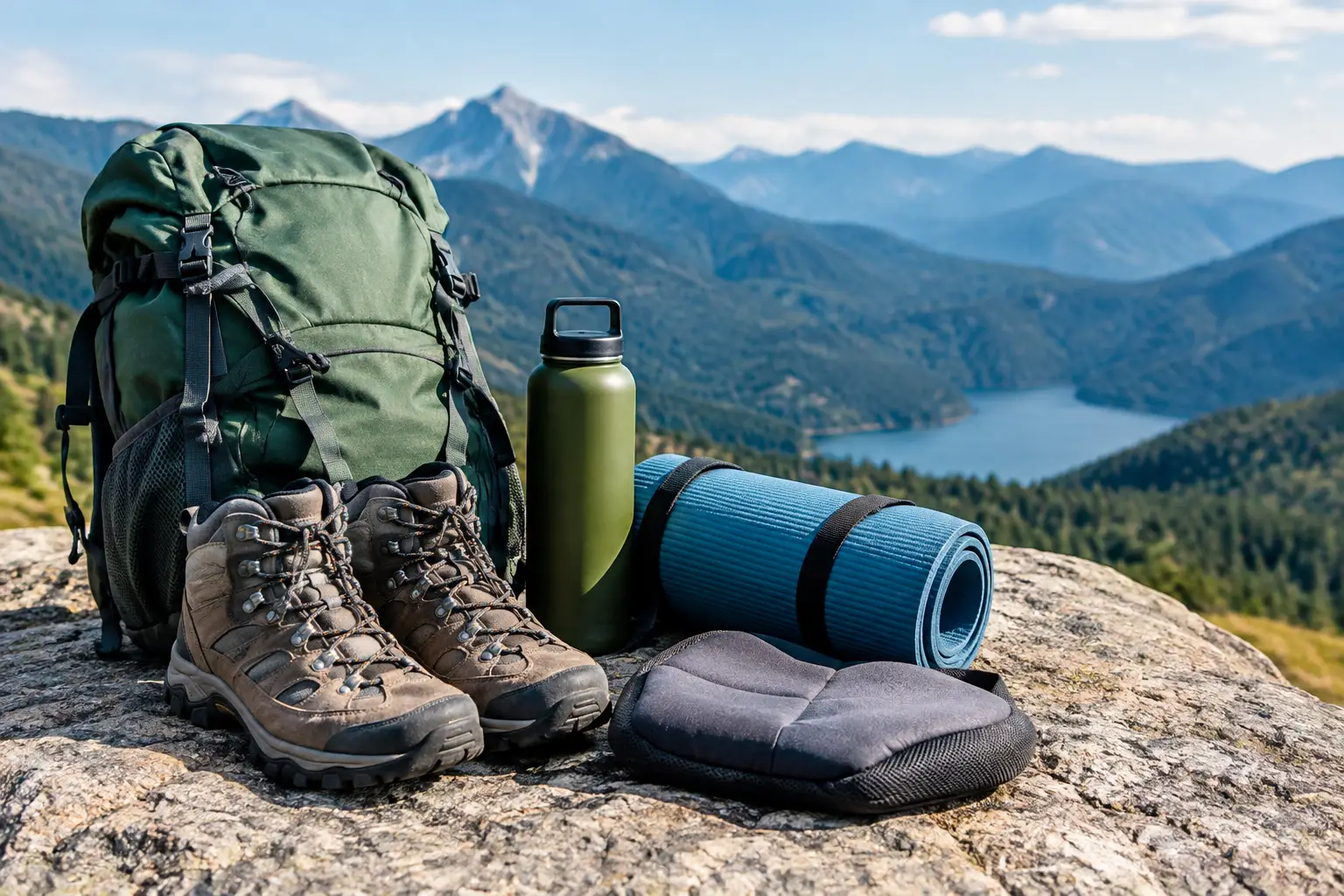
A brilliant route can be spoiled by a rubbing heel before the first viewpoint. The best hiking comfort products are not flashy extras. They are the small, reliable pieces of kit that protect your feet, skin and energy so you can keep moving freely – whether you are walking the Mournes, tackling a coastal path or heading out for a full day in the hills.
Comfort on a hike is rarely down to one purchase. It comes from managing friction, moisture, temperature and load before they become problems. Get those four things right and your kit works like invisible armour, helping you focus on the trail rather than the next sore spot.
Start with your feet
Feet carry every mile, so this is where comfort deserves the most attention. A supportive hiking boot or shoe is essential, but the best choice depends on your terrain, pace and the weight on your back. Stiffer boots can offer welcome stability on rocky, uneven ground or with a heavier pack. For dry, well-made trails and lighter loads, flexible trail shoes may feel cooler and less tiring.
Fit matters more than the label. Your toes need room to spread and move, especially on descents, while your heel should stay securely in place. Try footwear later in the day when your feet are naturally a little fuller, and wear the socks you will actually hike in. A shoe that feels perfect for five minutes in a shop can be very different after three hours uphill.
Do not rely on a brand-new pair for a big outing. Wear them on shorter local walks first. This lets the materials soften around your foot and, just as importantly, exposes any pressure points while turning back is easy.
Socks that manage moisture and friction
Hiking socks do more than add cushioning. They control moisture, reduce rubbing and help regulate temperature. Choose socks that fit closely without bunching at the toes or heel. Merino blends are a popular option because they can feel comfortable across changing conditions, while synthetic fibres often dry quickly and add durability.
Avoid everyday cotton socks for longer walks. Once damp, they tend to stay damp, increasing friction and the chance of blisters. If you know your feet sweat heavily, take a spare pair in a dry bag. Changing socks halfway through a long hike can feel like a reset button for tired feet.
Prevent hot spots before they become blisters
A hot spot is an early warning, not something to push through. It usually starts as warmth, tenderness or a small area of rubbing. Ignore it and the repeated friction can separate layers of skin, creating a painful blister that changes the way you walk. That compensation can then affect your knees, hips and enjoyment of the day.
The smart move is to stop when you first notice discomfort. Dry the area if needed, adjust your sock or lacing, and add protection. Blister plasters can be useful once skin is sore, but prevention is easier than repairing damage halfway up a hill.
An anti-chafe balm is one of the most practical hiking comfort products to keep in your pack or apply before setting off. Use it on known friction points such as heels, toes, the sides of the feet and anywhere straps or clothing repeatedly rub. Runglide Anti Chafe Balm comes in a portable stick, making it simple to apply without mess before a walk or during a break. The aim is straightforward: reduce friction before it has the chance to interrupt your stride.
The same principle applies above the ankle. Apply a friction barrier to inner thighs, underarms, bra lines, waistbands or anywhere your body and kit make repeated contact. Warm weather, rain, long climbs and a loaded pack can all turn a minor rub into a serious distraction.
Choose layers that work while you move
The most comfortable hiking clothing is clothing you barely notice. It should move with you, move sweat away from your skin and adapt to the weather rather than trapping heat or moisture.
Start with a breathable base layer that sits smoothly against the skin. Seams, labels and loose folds can become irritating over distance, particularly under a rucksack hip belt. Add an insulating mid-layer for cool conditions and a windproof or waterproof outer layer when the forecast calls for it. Carrying layers is often more comfortable than wearing one bulky garment, because you can regulate your temperature before you overheat or get chilled.
Trousers or shorts should allow a full stride and avoid tight seams around the inner thigh. There is no universal winner here. Some hikers prefer lightweight trousers for protection from wind, rough vegetation and insects, while others move more freely in shorts. If you choose shorts on a hot day, remember that exposed skin may need both sun protection and anti-chafe preparation.
Rain gear has a trade-off. A fully waterproof jacket protects you from sustained rain, but even good fabrics can feel warm during a steep climb. Ventilation zips, adjustable cuffs and a steady pace can make a real difference. Put a layer on before you are soaked or shivering, not after.
Make your rucksack part of the comfort system
An uncomfortable pack can create shoulder pain, neck tension and rubbing long before your legs give up. The right capacity matters: too small and you end up strapping items outside; too large and it is tempting to carry things you do not need. For a typical day hike, a compact pack with room for water, food, layers and safety essentials is usually enough.
Fit the hip belt first. Most of the load should sit through your hips, not hang from your shoulders. Then tighten the shoulder straps until the pack rests close to your back, followed by the chest strap to keep the shoulder straps stable. These adjustments should feel secure, never restrictive. Recheck them after the first ten minutes and whenever you add or remove a layer.
A breathable back panel can help in warm conditions, but it will not stop you sweating entirely. Pack waterproofs and spare clothing in dry bags or a liner so a wet back does not become a wet change of clothes. Keep frequently used items, including balm, snacks and a rain layer, where you can reach them without emptying the whole pack.
Hydration, fuel and small comforts that earn their place
Dehydration can make a manageable walk feel punishing. Carry enough water for the route, temperature and your own needs, and know where reliable refill points are before you set off. A bottle is simple and easy to monitor; a hydration bladder can make regular sipping easier. Either works if it encourages you to drink consistently.
Food matters too. Long gaps without fuel often show up as low mood, poor concentration and heavy legs. Pack snacks you genuinely want to eat, including a mix of quick energy and something more substantial. On longer or hotter walks, consider how you will replace salts lost through sweat.
A few modest items can deliver outsized comfort: walking poles on sustained climbs or descents, a cap for sun and drizzle, sunglasses, a sit mat for breaks and a small first-aid kit. Do not pack every comfort item you own. Every extra gram has to be carried. Choose the things that solve a problem you regularly have on the trail.
Build your own comfort routine
The best hiking kit is personal. A hiker who gets heel blisters needs a different focus from someone who overheats, experiences thigh chafing or develops sore shoulders under a pack. After each walk, take a minute to notice what interrupted your comfort. Was it damp socks, a slipping heel, a waistband, insufficient water or a pack that pulled in the wrong place? That short review helps you make useful changes rather than buying random gear.
Before a longer hike, test the full system together: footwear, socks, layers, pack and skin protection. Wear it on a local route with a similar gradient where possible. This is especially worthwhile before a walking holiday, charity challenge or multi-day trek, when minor discomfort has more time to build.
Comfort is not about making hiking effortless. Hills will still demand something from you, and weather will still have opinions. It is about removing the preventable distractions that steal your attention from the view, the conversation and the satisfaction of reaching the next marker. Prepare the points that rub, pinch and sweat, then give yourself the freedom to go further.