

Blog
Best Cycling Comfort Accessories for Longer Rides

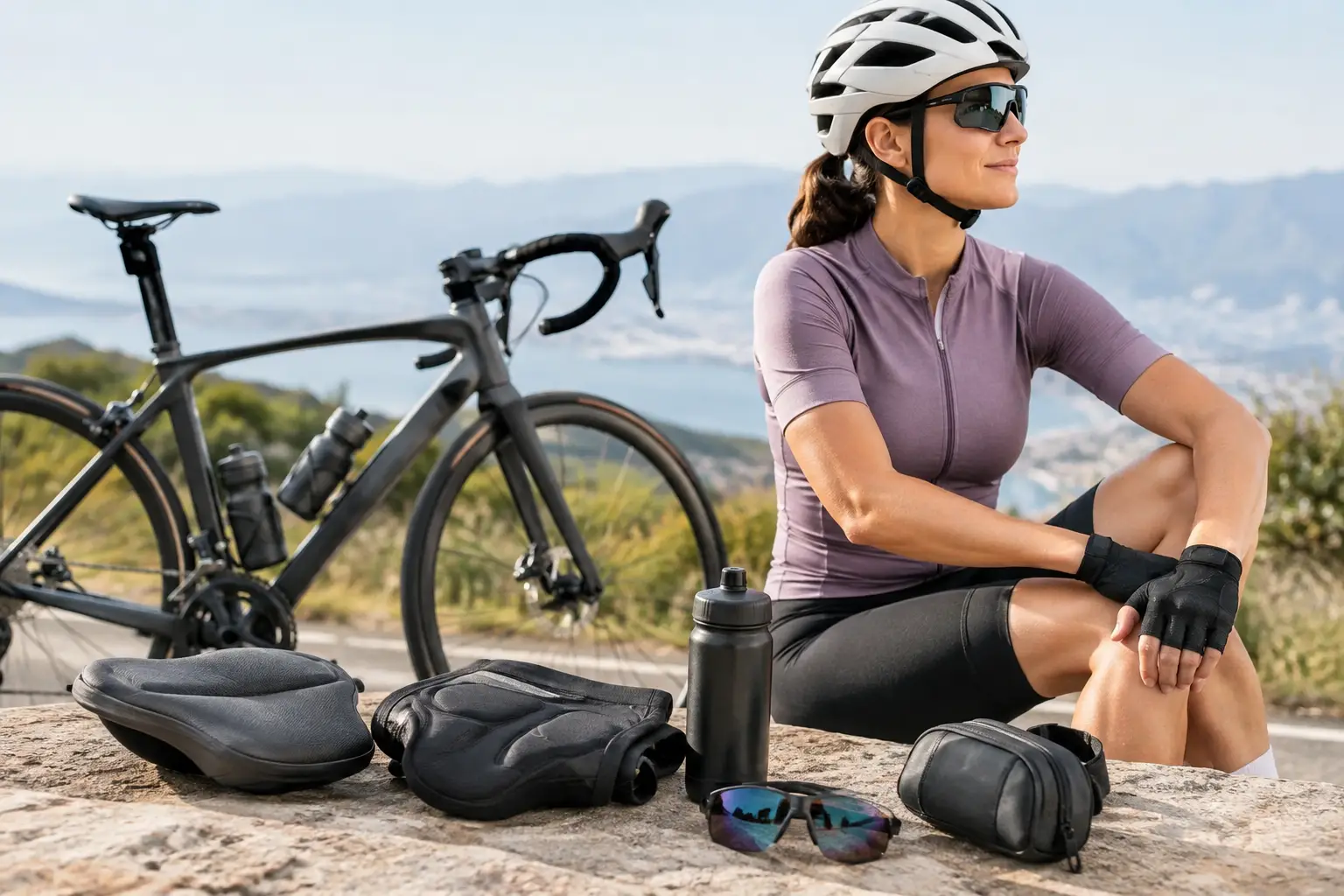
The ride can be going brilliantly – quiet roads, strong legs, plenty left in the bottle – until a sore saddle area, numb hands or rubbing jersey changes the mood. The best cycling comfort accessories are not about carrying more kit. They solve the small, repeatable problems that make you cut a ride short, avoid getting back on the bike or spend the next day walking awkwardly.
For commuting, weekend spins and long-distance events alike, comfort is a performance tool. When your contact points are protected and your clothing works with you, you can focus on cadence, scenery and the simple freedom of moving forward.
Start with bike fit, then add comfort accessories
No accessory can fully compensate for a bike that does not fit. If you constantly slide forwards on the saddle, reach too far to the bars or feel pressure in one specific place, check your set-up before buying more equipment. Saddle height, reach, handlebar position and cleat placement all influence how weight is shared between your hands, feet and seat.
That does not mean you need a costly professional fitting before every ride. A few sensible adjustments can make a real difference. Your saddle should support your sit bones without forcing you to reach for the pedals, while your handlebars should let you breathe freely and keep a relaxed bend in your elbows. Make one change at a time and test it over several rides.
Once the foundations are right, the accessories below help protect the areas where cycling creates the most friction, pressure and exposure.
Padded shorts that stay in place
Quality padded cycling shorts are usually the first worthwhile comfort purchase. The pad, or chamois, cushions road vibration and reduces pressure between your body and the saddle. Just as importantly, good shorts stay put. Fabric that bunches, seams that sit in the wrong place and a pad that shifts as you pedal can create rubbing surprisingly quickly.
Choose shorts based on the rides you actually do. A thin, flexible pad may suit shorter commutes and indoor sessions, while longer road rides often call for a denser, shaped pad with better support. Bib shorts can feel more secure because there is no waistband pressing into your middle, although waist shorts are easier for some riders to manage on everyday rides.
Fit matters more than a logo or a high price. Shorts should feel snug without restricting your movement. Avoid wearing underwear beneath them, as extra seams trap moisture and increase friction.
Anti-chafe balm for your high-friction zones
Even the best shorts cannot remove every source of irritation. Heat, sweat, repeated pedalling and long hours in the saddle can still cause chafing around the inner thighs, groin, waistband or under a sports bra. That is where a purpose-made anti-chafe balm earns its place in your ride routine.
Apply it before you set off, rather than waiting for discomfort to appear. A balm creates a protective layer at the points where skin, fabric and saddle contact cause friction. It is particularly useful for long rides, hot weather, new kit and multi-day cycling trips, when skin has less time to recover between sessions.
Runglide RG Anti Chafe Balm is a portable, petroleum-free option designed to help reduce friction without leaving you feeling greasy. Keep the stick with your ride essentials for quick, targeted protection before a commute, sportive or holiday cycle. If rubbing persists despite using balm, reassess your shorts, saddle position and hygiene routine too – prevention works best as part of the whole set-up.
Gloves that protect hands without dulling control
Sore or numb hands are often blamed on rough roads, but the cause is commonly a mix of grip pressure, vibration and rider position. Cycling gloves add cushioning across the palm and improve grip when rain or sweat makes handlebars slippery.
Look for padding placed where your palms naturally rest, rather than the thickest possible glove. Excess padding can sometimes bunch and create pressure of its own. Breathable fabric and a secure wrist closure help on warmer days, while full-finger gloves make sense for cold weather, gravel riding or extra protection from a fall.
Gloves are an accessory, not a substitute for a relaxed upper body. Change hand position regularly, soften your grip and avoid locking your elbows. If numbness continues, your bar reach, saddle tilt or handlebar shape may need attention.
A saddle that matches your riding position
There is no single best saddle, only the saddle that fits your anatomy and how you ride. A narrow, firm saddle can be very comfortable for a rider in a more forward, performance-focused position, while a more upright commuter may need different width and support.
The tempting fix is to buy the softest saddle available. For short journeys, extra cushioning can feel pleasant. On longer rides, however, a very soft saddle may compress under your weight, increase heat and leave more material rubbing against soft tissue. A supportive saddle, correctly positioned, is normally the better long-term choice.
If you are testing a new saddle, give it a fair trial. Small adjustments in height, fore-and-aft position and tilt can transform how it feels. A slight downward tilt may relieve pressure for some riders, but too much can make you slide forward and overload your hands.
Eyewear, layers and protection from the elements
Comfort is not only about the places your body touches the bike. Squinting into low sun, getting grit in your eyes or riding in a soaked jersey can drain energy quickly. Cycling eyewear protects against wind, insects, road spray and changing light, helping you keep your eyes relaxed and your attention on the road.
For UK and Irish conditions, clear or low-light lenses are often as useful as dark sun lenses. Photochromic lenses can suit riders who move between open roads and shaded lanes, although they cost more and may not be necessary for occasional cycling.
A lightweight gilet and packable waterproof are equally valuable when conditions are changeable. The key is breathability. A jacket that keeps rain out but traps sweat inside can leave you just as uncomfortable. Build layers you can remove and store easily, especially for rides that begin cool and warm up fast.
Hydration and storage without the bounce
A water bottle and secure cage are basic comfort accessories because dehydration makes every contact point feel worse. When you are under-fuelled or thirsty, posture often deteriorates, concentration drops and minor irritation feels much bigger than it should.
For most rides, bottles on the frame are simpler and more stable than carrying fluids on your back. On longer adventures, a small saddle bag or frame bag can hold a spare tube, mini pump, snack, keys and anti-chafe balm without loading your jersey pockets or bouncing against your back.
Pack only what earns its space. An overfilled saddle bag can sway, while heavy pockets pull on your jersey and can create discomfort around the shoulders. The goal is prepared, not overloaded.
The best cycling comfort accessories for different rides
Your ideal set-up depends on distance, conditions and how you use the bike. A commuter may prioritise a comfortable saddle, gloves, weatherproof layers and eyewear for daily reliability. A road rider training for a sportive may value bib shorts, anti-chafe protection, two bottles and gloves that reduce fatigue over several hours.
Gravel and touring cyclists often need extra hand comfort, storage and adaptable layers because terrain and weather change more often. Indoor cyclists may not need eyewear or a waterproof, but they do benefit from padded shorts, a powerful fan, a sweat towel and friction protection. Heat and repetitive pedalling can make an hour on the turbo feel tougher on the skin than a longer outdoor spin.
Do not feel pressured to buy everything at once. Begin with the problem that interrupts your rides most often. If it is saddle soreness, start with fit, shorts and friction prevention. If it is aching hands, assess your position and add gloves. Comfort improves fastest when each purchase has a clear job.
Your bike should make more of life possible: a clearer head after work, a bigger weekend, a route you once thought was too far. Protect the contact points, carry what you need and give yourself every reason to keep pedalling when the road opens up.