

Blog
Blisters After Walking: Stop Them Before They Start

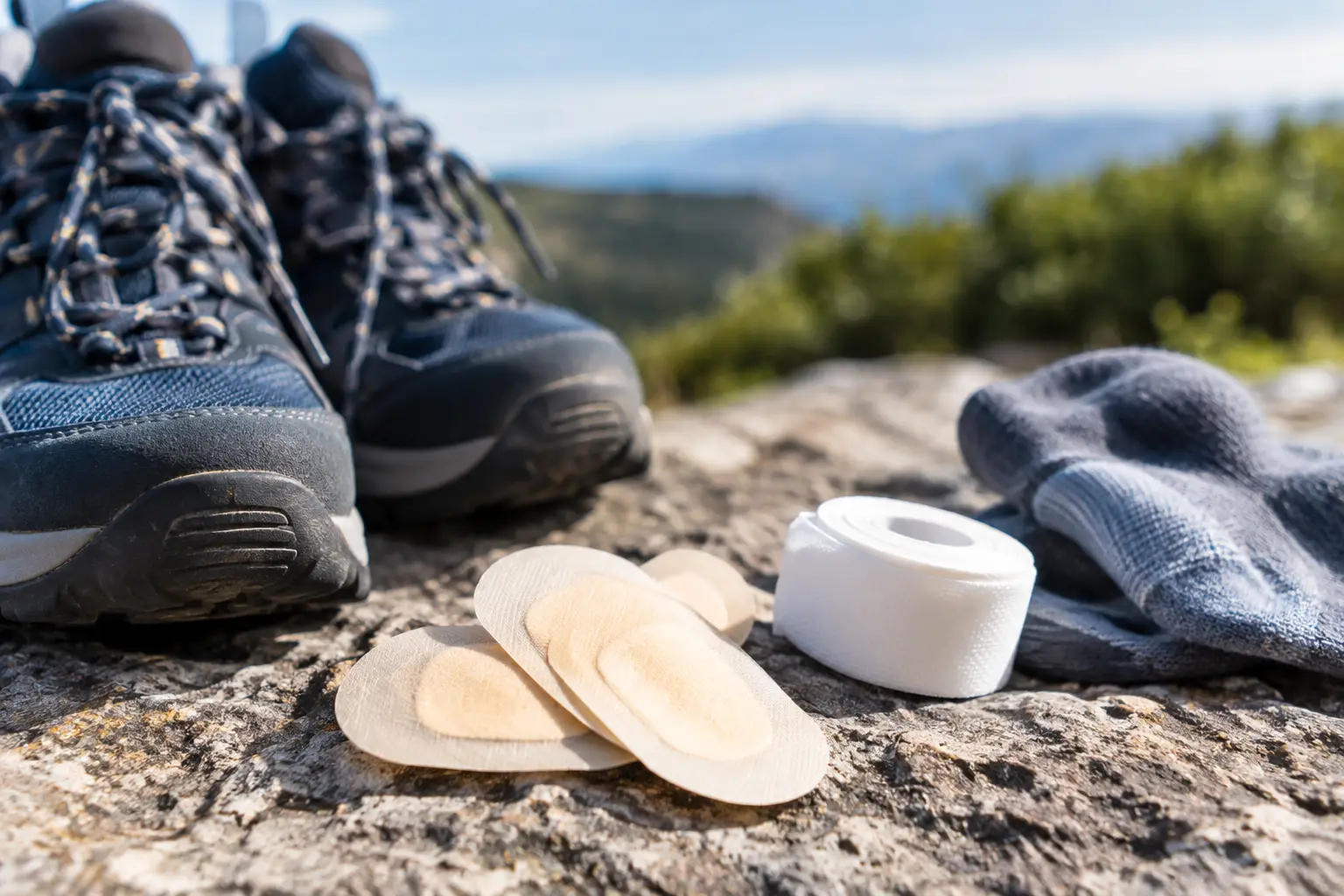
A brilliant walk can turn into a hobble surprisingly quickly. One minute your shoes feel fine; the next, a hot spot on your heel or toe is demanding all your attention. Blisters after walking are not a sign that you are weak or that you need to stop moving. They are usually a clear signal that friction, heat and moisture have found a vulnerable patch of skin.
The good news is that most walking blisters are preventable. A few smart changes before you set off can protect your feet, whether you are heading out for a lunchtime loop, training for a long-distance challenge or exploring on holiday.
Why blisters after walking happen
A blister forms when repeated rubbing causes the upper layers of skin to separate. Fluid then collects in the space as your body tries to protect the area underneath. The rubbing can come from a shoe that is too loose, too tight or simply shaped differently from your foot. Socks that bunch up, seams that sit in the wrong place and damp feet all add to the problem.
Heat matters too. As your feet warm up, they may swell slightly and sweat more. That changes the fit inside your footwear, especially later in a long walk. A pair of trainers that felt perfect for the first mile can start pressing on the back of the heel by mile six.
New shoes are an obvious culprit, but familiar footwear can cause trouble as well. Worn-out insoles, flattened cushioning and tired sock fabric can alter how your foot moves. It is also common to get blisters when you increase distance, add hills, carry a backpack or walk in warmer weather. Your skin needs time to adapt to a new demand.
Treat a hot spot before it becomes a blister
A hot spot is the warning stage: a patch of skin that feels warm, tender, itchy or unusually sensitive. Do not try to push through it. Stopping for two minutes can save you days of sore walking.
Take off your shoe and sock, dry the area if it is damp, and check for grit, creases or a sock seam that has shifted. If the shoe is rubbing in one specific place, adjust the lacing or use a protective dressing or tape designed for feet. Reapply a friction barrier to clean, dry skin before you continue.
If you are on a longer route, carry a small foot-care kit. It does not need to be complicated, but it should include spare socks, blister plasters or tape, and something to reduce friction. These small essentials earn their place in a daypack far more often than you might expect.
How to care for a walking blister
An intact blister is usually best left unpopped. The skin over the fluid is a natural protective cover, reducing the chance of dirt and bacteria reaching the raw skin below. Clean the surrounding area gently, dry it carefully and cover the blister with a suitable protective dressing that cushions it from further rubbing.
If a blister has burst, wash your hands first. Rinse the area with clean water, pat it dry and cover it with a sterile, non-stick dressing. Avoid peeling away the loose skin unless it is dirty, fully detached or catching painfully. Keeping that skin in place can still offer useful protection.
Take a break from the activity that caused it if you can. If you need to walk, choose roomier footwear, a fresh pair of socks and enough padding to keep pressure off the sore spot. A blister that is repeatedly rubbed will take longer to settle and can become much more painful.
Seek advice from a pharmacist or healthcare professional if you notice spreading redness, increasing warmth, swelling, pus, fever or worsening pain. People with diabetes, poor circulation, reduced sensation in their feet or a weakened immune system should get professional guidance early rather than treating significant blisters alone.
Prevent blisters before your next walk
Prevention works best when you deal with the full friction picture: footwear, socks, moisture and skin protection. There is no single perfect setup for every foot, but these habits give you the strongest starting point.
- Choose the right fit. Your walking shoes should feel secure at the heel with enough room for toes to spread and move. Try shoes later in the day, when feet are naturally a little larger, and wear the socks you plan to walk in.
- Break in new footwear gradually. Start with shorter walks close to home. Increase distance over several outings rather than testing new boots on a full-day hike.
- Wear technical socks. Look for smooth construction, a close fit and materials that move moisture away from the skin. Cotton can be comfortable for everyday wear, but it may hold moisture during long or sweaty walks.
- Keep feet as dry as practical. Change damp socks during longer routes, especially in warm weather or after rain. Dry skin is not automatically blister-proof, but soaked skin is more likely to shear and rub.
- Protect repeat trouble spots. If you always blister on the same heel, toe or ball of the foot, act before the first step. Apply a friction-reducing balm or use tape where you know friction starts.
A product such as Runglide Anti Chafe Balm is designed to create an invisible barrier where skin, socks and footwear repeatedly rub. Its portable stick format makes it easy to apply to common hot spots before a walk and carry with you for longer days out. The goal is simple: reduce friction before it has the chance to interrupt your plans.
Check your lacing, not just your shoe size
Many walkers focus on buying the right shoe, then lace it exactly the same way every time. Small lacing changes can make a meaningful difference. If your heel is slipping, a heel-lock lacing method may help hold it more securely. If the top of your foot feels pressured, loosening the laces over that area can reduce compression.
Do not over-tighten your shoes in an attempt to stop movement. A shoe that is too tight can create new pressure points, restrict natural swelling and make toes rub at the front. You are looking for a secure, comfortable hold rather than a squeezed-in fit.
Pay attention to the terrain as well. Descents push feet forwards in shoes, which is why toe blisters are common on hilly routes. On a long downhill day, stopping to retie your laces or change into dry socks can be as useful as an extra snack break.
When recurring blisters mean something else
If blisters after walking keep returning despite well-fitting shoes and good socks, look beyond the obvious. One foot may swell more than the other. Your gait may cause you to roll through one side of the foot, or a bunion, hammer toe or prominent bone may be creating a pressure point. Insoles can help some walkers, while others may benefit from assessment by a podiatrist or qualified footwear specialist.
It also helps to be honest about how quickly you are progressing. Fitness can improve faster than the skin on your feet adapts. You might have the lungs and legs for a 15-mile walk, but still need to build your foot tolerance over several weeks. That is not a setback. It is part of training well.
Your feet carry every mile, every errand and every adventure. Give them the same preparation you would give your route, your kit or your recovery. A little friction prevention before you leave the house can keep the focus where it belongs: on moving freely and enjoying the distance ahead.