

Blog
Anti Friction Stick for Walking That Works

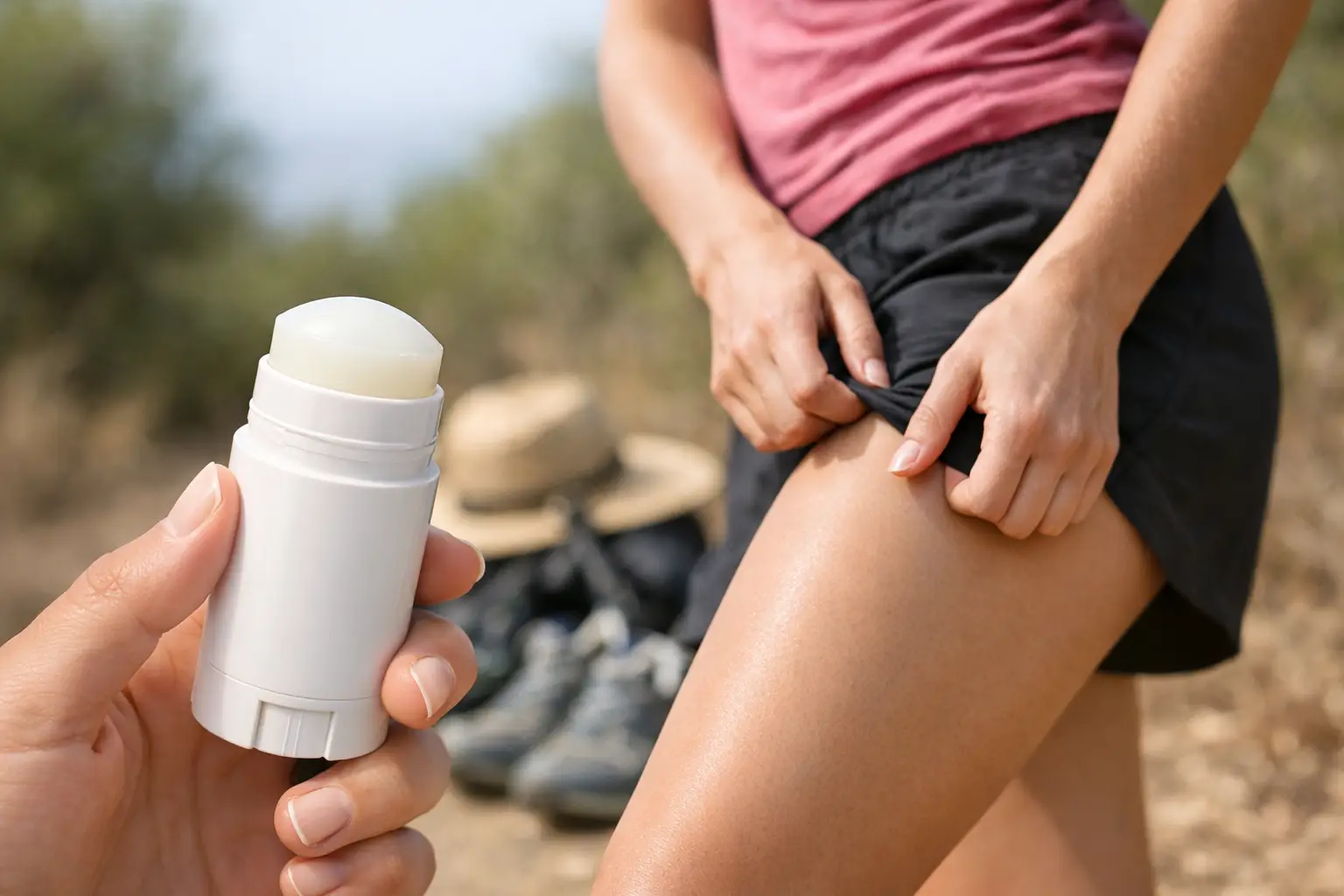
That familiar sting usually starts small. A warm patch on the inner thigh, a rub at the heel, a spot under the bra line or along the waistband. Then a short walk turns into a slow, uncomfortable finish. The right anti friction stick for walking changes that fast. It helps protect skin before irritation starts, so you can keep moving without thinking about every step.
Walking should feel simple. Whether you are doing a few miles before work, training for a charity trek, sightseeing on holiday or just trying to hit your daily step goal, friction has a way of stealing momentum. It is distracting, sometimes painful, and often completely avoidable.
Why walking causes so much friction
Walking looks low impact, but it creates repeated contact in all the usual trouble spots. Skin brushes skin. Fabric moves across the body. Socks shift inside shoes. Add heat, sweat or damp weather, and the problem gets worse.
The reason friction builds so quickly is repetition. A tiny rub does not seem like much at first, but when it happens hundreds or thousands of times in a single outing, skin starts to protest. That is why chafing can appear on a gentle walk just as easily as on a hard run.
For some people, it is mostly a summer issue. For others, it shows up all year round with leggings, shorts, walking trousers or certain shoes. Body shape, clothing fit, pace, temperature and distance all play a part. There is no single profile for chafing. If you move, you can get it.
What an anti friction stick for walking actually does
An anti friction stick creates a smooth protective layer over high-rub areas. Instead of skin or clothing dragging across the surface, movement becomes easier and less abrasive. The goal is not to make skin greasy or slippery in an unpleasant way. It is to reduce drag enough that rubbing does not turn into irritation.
A good stick should feel easy to apply, stay where you put it and hold up when body heat rises. That matters if you are walking for an hour, wearing a backpack, heading out in warm weather or doing back-to-back days on holiday.
This is where formula matters. Some products feel heavy or messy. Others disappear too quickly and need constant reapplying. The best option is the one that gives dependable protection without making your skin or clothes feel coated. If you are using it regularly, convenience counts just as much as performance.
Where to apply anti friction stick before a walk
Most people think first about thighs, and for good reason. Inner-thigh chafing is one of the most common complaints for walkers of all shapes and sizes. But it is not the only place worth protecting.
Heels and toes are common hot spots if you are prone to blisters. Underarms can rub when tops fit close or when you are carrying weight through the shoulders. Bra bands, sports bra edges and waistbands can all become friction lines on longer walks. If you wear a backpack or hydration pack, check the points where straps sit against the skin or rub through clothing.
The easiest rule is this: apply wherever you know rubbing starts. If you have finished walks with the same sore area more than once, that is your signal to protect it before you leave, not after it flares up.
How to choose the best anti friction stick for walking
Not every anti-chafe product is built for the same job. Walking asks for something practical, portable and reliable enough to handle real movement. That means you want more than a nice texture on first application.
Start with staying power. Short errands are one thing, but if you are heading out for a proper walk, a country ramble or a full day on your feet, you need protection that lasts. A stick format is especially useful because it is tidy, quick and easy to carry.
Next, look at feel. Heavy, oily formulas can be uncomfortable, especially in warm weather. They may also leave you feeling over-aware of the product, which defeats the point. A smoother, cleaner-feeling balm tends to work better for people who want friction protection without the fuss.
Ingredients matter too, especially if your skin is reactive. Many walkers prefer products that avoid petroleum-heavy formulas and feel more wearable for everyday use. If you are using a friction balm regularly – on training walks, commutes, holidays and weekends – a formula that fits into daily life is a smarter long-term choice.
Finally, think about where you will use it. If your main issue is thigh chafing in dresses or shorts, your priorities may be comfort and invisible wear. If you are dealing with feet, you may want a balm that helps reduce rubbing inside socks and shoes. It is not always one-size-fits-all, but the right stick should cover most common walking friction points with minimal effort.
Anti friction stick for walking vs powders and creams
People often try powders first, especially in hot weather. Powders can help with moisture, but they do not always give the same glide or lasting barrier as a stick. Once sweat builds, powder may clump, fade or simply stop being useful.
Creams can work well, but they are not always the most practical option when you are getting ready quickly or reapplying on the move. They can also feel messier on the hands. For walkers who want something fast and controlled, a stick usually makes more sense.
That is why stick balms have become a go-to for active people. They are straightforward. Swipe, go, keep moving. For many walkers, that ease is the difference between actually using the product and forgetting about it until the damage is already done.
When to apply it, and when to reapply
The best time to use an anti-friction balm is before friction starts. Apply it to clean, dry skin before you put on the clothes or shoes that usually cause rubbing. If you know a route will be longer than usual, the weather will be hot, or you will be walking all day, be generous without overdoing it.
Reapplication depends on distance, heat and skin contact. Some people are fine for hours with one application. Others may want a top-up halfway through a long hike or after several hours of sightseeing. There is no prize for stretching it too far. If you know you are sensitive to chafing, carrying the stick with you is a smart move.
If irritation has already started, an anti friction stick may still help reduce further rubbing, but it is not magic. Once skin is broken or badly inflamed, prevention should give way to recovery. That might mean stopping for the day, changing clothing or treating the area gently until the skin settles.
What else helps prevent chafing on walks
Even the best balm works better as part of a simple system. Clothing fit matters more than people think. Seams, rough fabric and loose or shifting garments can create extra movement. Sometimes the problem is not your skin at all. It is the shorts riding up, the sock slipping down or the sports bra edge that never quite sits right.
Moisture management also plays a part. Breathable fabrics can reduce the damp conditions that make rubbing worse. For feet, well-fitting socks and shoes are still essential. A friction stick can reduce hot spots, but it cannot fix trainers that are the wrong size.
That is the honest trade-off. A balm is powerful, but it is not there to cover for every gear mistake. Used well, though, it can turn good kit into a much more comfortable walking experience.
Why regular walkers keep one close by
The biggest benefit is not just physical comfort. It is consistency. When walking hurts, people cut routes short, skip plans or lose motivation. When you remove that barrier, it becomes easier to stay active, train more often and enjoy the miles instead of managing discomfort.
That is why an anti friction stick earns its place so quickly. It is small, simple and easy to overlook until you realise how often it saves a walk. For commuters, dog walkers, hikers, runners using recovery walks and anyone spending long days on their feet, it becomes one of those products you do not want to be without.
At Runglide, that is exactly how we see it – not as an extra, but as practical invisible armour for movement.
If walking is part of your routine, comfort should not be left to chance. Protect the spots that usually flare up, make it part of your get-ready habit, and give yourself one less reason to stop early.