

Blog
When Should You Apply Blister Balm for Runs?

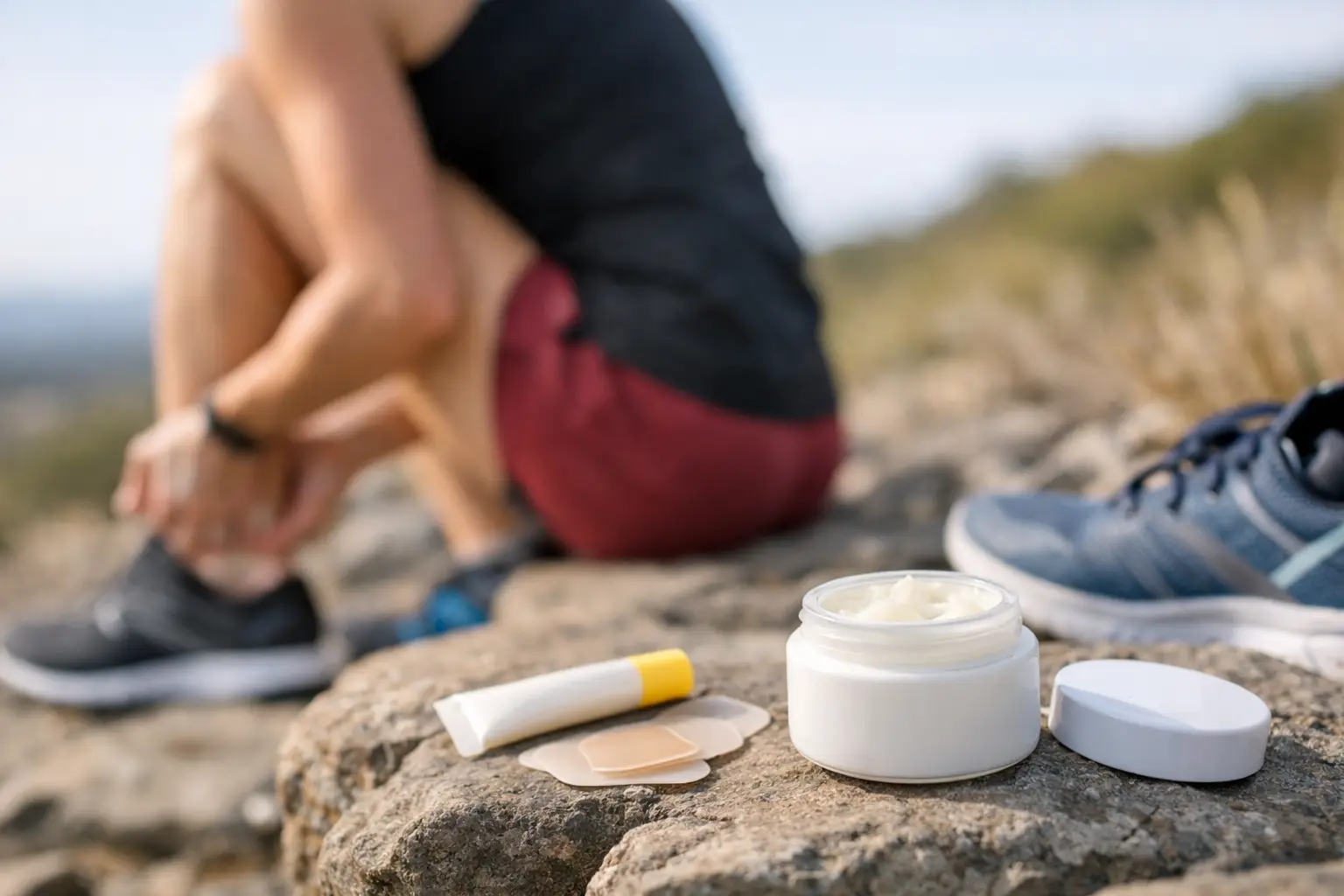
The best answer to when should you apply blister balm is simple: before you start moving, not once the hot spot has already become a problem. Blisters do not usually arrive without warning. They build through repeated rubbing, heat, moisture and pressure. Applying balm early gives your skin a protective layer before those forces have time to do their work.
That small step can mean the difference between finishing a run comfortably and changing your stride to avoid a sore heel. Whether you are heading out for a 5K, walking all day on holiday, cycling through wet weather or wearing a dress on a warm commute, prevention works best when it is part of your routine.
Apply blister balm before friction begins
Blister balm is most useful on clean, dry, intact skin immediately before activity. Think of it as invisible armour for the places where skin, fabric, socks or shoes repeatedly rub together.
For runners, that may be the heels, toes, arches, sides of the feet, under bra lines or inner thighs. Hikers may need extra coverage at the back of the heel, around the ankle collar and on the balls of the feet. Cyclists often benefit from applying it where shorts, seams and saddle contact create pressure and rubbing.
Do not wait until you feel discomfort. By the time a spot feels hot, the skin has already been under friction for a while. If you know a certain area tends to rub, protect it before every session, even when the route or workout feels easy.
A few seconds before you leave the house is far easier than dealing with a blister halfway through an event.
When should you apply blister balm during a long session?
One application may be enough for a short, familiar run in cool conditions. For longer efforts, wet weather, high heat or anything involving lots of sweat, take your balm with you and reapply as needed.
There is no fixed kilometre mark that works for everyone. Your need to top up depends on your skin, how much you sweat, the fit of your kit and the terrain you cover. A marathon runner, a hill walker on a six-hour route and a traveller walking between terminals will each have different friction points and different timings.
Use the first sign of rubbing as your cue to act. If you can feel a sock seam, a shoe edge or damp clothing catching against your skin, pause before it becomes painful. Wipe away excess moisture if possible, dry the area gently, then apply a fresh layer. Replacing wet socks or adjusting a bunched seam can make the balm work even better.
The key is not to keep pushing through a developing hot spot. Staying active is easier when you respond early.
Apply it before everyday friction too
Blister prevention is not reserved for race day. Many of the most frustrating rubs happen during normal life: a new pair of shoes, a long day sightseeing, humid weather, a long shift on your feet or a walk that turns out to be much longer than planned.
Apply balm before putting on shoes that have not fully softened yet, especially around your heels and toes. If sandals or formal shoes have a strap that tends to catch, protect the contact point before leaving home. For thigh chafing, apply a smooth, even layer to the areas that rub together before getting dressed or exercising.
This is where a portable stick earns its place in a gym bag, rucksack or coat pocket. You do not need a complicated skincare routine. You need a dependable habit that keeps minor friction from setting the agenda for your day.
How to apply blister balm properly
Start with skin that is clean and dry. Sweat, water and grit can reduce comfort and make friction worse, particularly on the feet. Glide the balm directly over the area likely to rub, creating an even layer without pressing too hard or leaving thick clumps.
Pay attention to the edges of the problem area, not just the centre. A heel blister, for example, may begin where the shoe collar catches at one side. A toe blister may come from one toe rubbing against another, or from the end of the toe meeting the front of a shoe on downhill sections.
Then put on your socks, shoes or clothing as usual and check the fit. Balm helps reduce friction, but it cannot fully compensate for shoes that are too small, socks that slide down or shorts with a rough, poorly placed seam. The strongest defence is a combination of well-fitting kit and proactive skin protection.
Runglide Anti Chafe Balm is designed for exactly this kind of practical, on-the-go use, giving active people a petroleum-free, oil-free option for common friction zones.
Areas worth protecting first
If you are unsure where to apply, start with the spots that have caused trouble before. Your body gives useful clues. Repeat blisters, redness after exercise, sock lines that sting or a familiar rubbing sensation all point to areas that deserve attention.
For feet, common zones include heels, little toes, big toes, the ball of the foot and the arch. Elsewhere, look at inner thighs, underarms, sports bra bands, waistbands and anywhere a backpack, vest or strap repeatedly contacts bare skin.
You do not need to coat your whole body. Targeted application is quicker, less wasteful and easier to maintain as part of your pre-activity routine.
Do not use balm as a reason to ignore your kit
Blister balm is a powerful layer of prevention, but it is not a licence to wear gear that clearly does not fit. If you regularly get blisters in the same place despite using balm, investigate the cause.
Your shoes may be too narrow, too loose or too short for longer distances. Your socks may be holding moisture or creating folds. Your lacing may allow your heel to lift. On a hike, downhill terrain can drive your toes into the front of the shoe. On a run, a sudden increase in mileage can expose friction issues that did not appear on shorter outings.
Make one change at a time where you can. Test socks on a shorter route, adjust laces, break in new footwear gradually and use balm as your first line of skin protection. This approach helps you learn what your body and kit need, rather than guessing during an important event.
What if you already have a blister?
Prevention balm is best used on unbroken skin. If a blister has already formed, avoid rubbing it further and protect the area from additional pressure. If the skin is broken, sore, swollen or showing signs of infection, seek advice from a qualified healthcare professional rather than trying to cover up the issue and carry on as normal.
You may need to shorten or change your session, especially if your movement has become uneven. Altering your gait to avoid pain can create a new problem in your feet, knees, hips or back. Missing one run is frustrating. Turning a small blister into days of discomfort is more frustrating still.
Once the skin has recovered, use that experience to refine your pre-session routine. Note where it happened, what you wore, the weather and the distance. That information turns an annoying setback into a useful plan for next time.
Build it into your start-line routine
The most reliable time to apply blister balm is while you are getting ready, before the rush of leaving the house. Put it next to your running socks, hiking shoes or cycling kit so it becomes automatic: balm, socks, shoes, go.
For an event, apply it before you travel to the start. For a long walk, use it before the first step, not at the café stop when your heels are already burning. For a gym session, protect areas where clothing or equipment tends to rub before you warm up.
Comfort is not a luxury reserved for easy days. It is what lets you focus on the route, the training block, the view ahead or simply the satisfaction of moving freely. Give your skin a head start, and let the miles be about what you came out to do.