
Uncategorized
Why Choose a Cruelty Free Anti Chafe Balm
Mar
That first hot spot rarely feels dramatic. It starts as a bit of rubbing on a run, a sting on an inner thigh during a long walk, or an annoying patch under a sports bra strap. Then it builds. A good cruelty free anti chafe balm steps in before any of that takes over, so you can focus on the miles, the workout, or simply getting through the day comfortably.
For plenty of active people, the question is not whether they need chafe protection. It is whether the product fits their values as well as their routine. If you want something that helps prevent friction without testing on animals, a cruelty free choice makes perfect sense. The key is making sure it also performs when your skin is under real pressure – heat, sweat, repetition and long hours of movement.
What a cruelty free anti chafe balm should actually do
At its best, an anti chafe balm creates a smooth barrier that reduces the friction causing irritation. That sounds simple, but performance matters. If the formula feels greasy, transfers onto clothing, melts too quickly or needs constant reapplying, it can become one more hassle rather than the fix.
A strong cruelty free anti chafe balm should glide on easily, stay where you put it and help skin move more freely against skin, fabric or footwear. That applies whether you are dealing with thigh chafing on a summer walk, rubbing around the chest during a run, or pressure points on your feet during a hike.
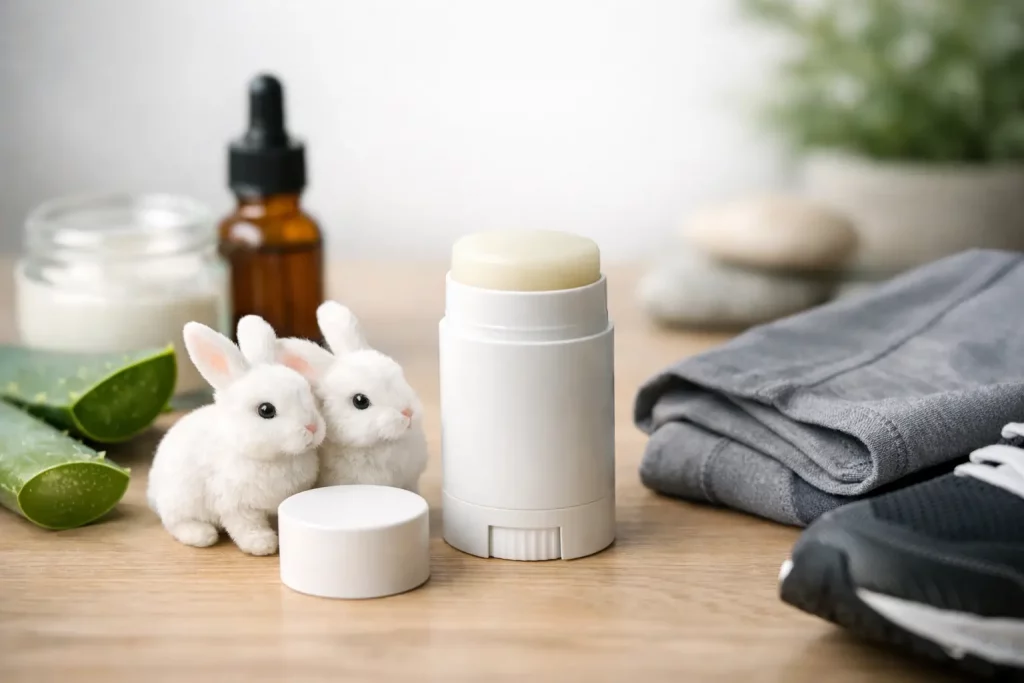
The stick format is especially useful because it keeps things quick and tidy. You can apply it before leaving the house, toss it in your gym bag or pocket, and top up without covering your hands in product. When you are trying to stay active, convenience is not a bonus. It is part of whether you will actually use it consistently.
Why cruelty free matters to active shoppers
For many people, personal care is no longer separate from values. You check labels. You think about what is in a product, how it is made and whether the brand’s claims match your standards. Choosing cruelty free is part of that shift.
That does not mean sacrificing effectiveness. In fact, most shoppers looking for cruelty free anti-chafe protection are not after a feel-good label alone. They want confidence. They want to know the balm can handle a sweaty 10K, a humid commute, a day of sightseeing, or a gym session that turns into errands and school pickup.
There is also a practical side to the appeal. Brands that focus on cruelty free, skin-friendly formulas often pay close attention to ingredient choices overall. That can be helpful if your skin is sensitive or reacts badly to heavy, messy products. Of course, it still depends on the formula. Cruelty free does not automatically mean every ingredient will suit every person, so patch testing is always sensible if you are prone to irritation.
Where a cruelty free anti chafe balm makes the biggest difference
Most people think first of inner thighs, and for good reason. It is one of the most common friction points during running, walking, hiking and warm-weather wear. But that is only part of the story.
A cruelty free anti chafe balm can also be a game changer on the feet, especially around the heel, toes and sides where shoes tend to rub. It can help under bra lines, sports bra bands, waistbands, backpack straps and anywhere repetitive motion creates heat. Cyclists often notice friction where seams and pressure combine. Gym users may need it for rowing, stair sessions or long treadmill workouts. Travellers use it for full days on foot when comfort starts to fade halfway through the afternoon.
This is why the best anti-chafe products are not niche. They are everyday kit. If movement is part of your routine, friction prevention belongs there too.
How to choose the right cruelty free anti chafe balm
Start with how you move. If you mainly run or walk, you need a balm that can hold up through sweat and repetitive motion. If your issue is mostly footwear, look for something that works well on the feet without making them feel slippery inside socks or shoes. If you are using it for day-to-day wear, portability and clean application may matter more than anything else.
Texture is another big factor. Some people prefer a lighter glide, while others want a firmer feel that stays put in warmer conditions. There is a balance here. A balm that is too soft can feel messy. One that is too hard may drag on already sensitive skin.
It is also worth checking what the formula leaves out. Many shoppers prefer balms without petroleum or oily residue because they want protection without the heavy feel. That is particularly useful before exercise, when you want comfort rather than a layer that feels sticky or noticeable.
If you want a straightforward option built for active use, RG focuses specifically on friction prevention in portable stick formats for running, walking, hiking, cycling, gym sessions and everyday movement. That kind of product focus can make choosing easier because the use cases are clear from the start.
When to apply it for the best results
The biggest mistake people make is waiting until chafing has already started. Once skin is irritated, any rubbing feels worse. Prevention works better.
Apply your balm before activity, not halfway through discomfort. Use it on clean, dry skin anywhere you know friction tends to show up. If you are heading out for a long run, a long walk, a hike, or even a hot day in shorts or a dress, take ten seconds and cover the usual problem spots before they have a chance to flare up.
For longer sessions, reapplication may help, especially in very hot weather, during endurance events or after hours of continuous movement. That is not a sign the product has failed. It is just the reality of prolonged friction, sweat and heat. What matters is having a balm that makes reapplying quick and fuss-free.
What to expect from a good balm – and what not to
A quality anti chafe balm should help reduce rubbing and make movement feel more comfortable. It should not feel like a miracle product that fixes badly fitting kit, rough seams or shoes that are wrong for your feet. Sometimes friction starts with clothing choice, moisture build-up or repetitive pressure that needs addressing from more than one angle.
That is the trade-off worth remembering. Balm is brilliant for prevention, but it works best as part of a smart routine. Well-fitting gear, moisture-managing fabrics and sensible layering still matter. If you repeatedly chafe in the same place, it is worth checking whether your shorts, bra, socks or shoes are part of the problem.
The upside is that when you pair the right gear with the right balm, the difference can be immediate. You stop bracing for discomfort. You stop cutting routes short. You stop planning your day around where your skin might start to burn.
Cruelty free anti chafe balm for everyday confidence
Not every use starts with a training plan. Sometimes you just want to wear shorts on a warm day without thinking about thigh rub. Sometimes you need comfortable feet for a city break, a commute or a day at work that keeps you moving. Sometimes the win is making it through your gym session without a raw patch turning tomorrow into a rest day.
That is where anti-chafe protection earns its place. It supports performance, but it also supports freedom. The freedom to move naturally, train consistently and wear what suits your day without second-guessing the consequences later.
Choosing cruelty free adds another layer of confidence. You are not only looking after your skin – you are buying in line with what matters to you. And when the product is easy to carry, simple to apply and reliable under pressure, it becomes less of a special fix and more of a quiet essential.
If friction has been interrupting your runs, walks, workouts or everyday plans, start before the sting starts. The right balm will not ask for much – just a quick swipe before you head out, and a lot more comfort once you do.
