

Blog
Kayak 101: A Beginner’s Guide to Getting on the Water in 2026

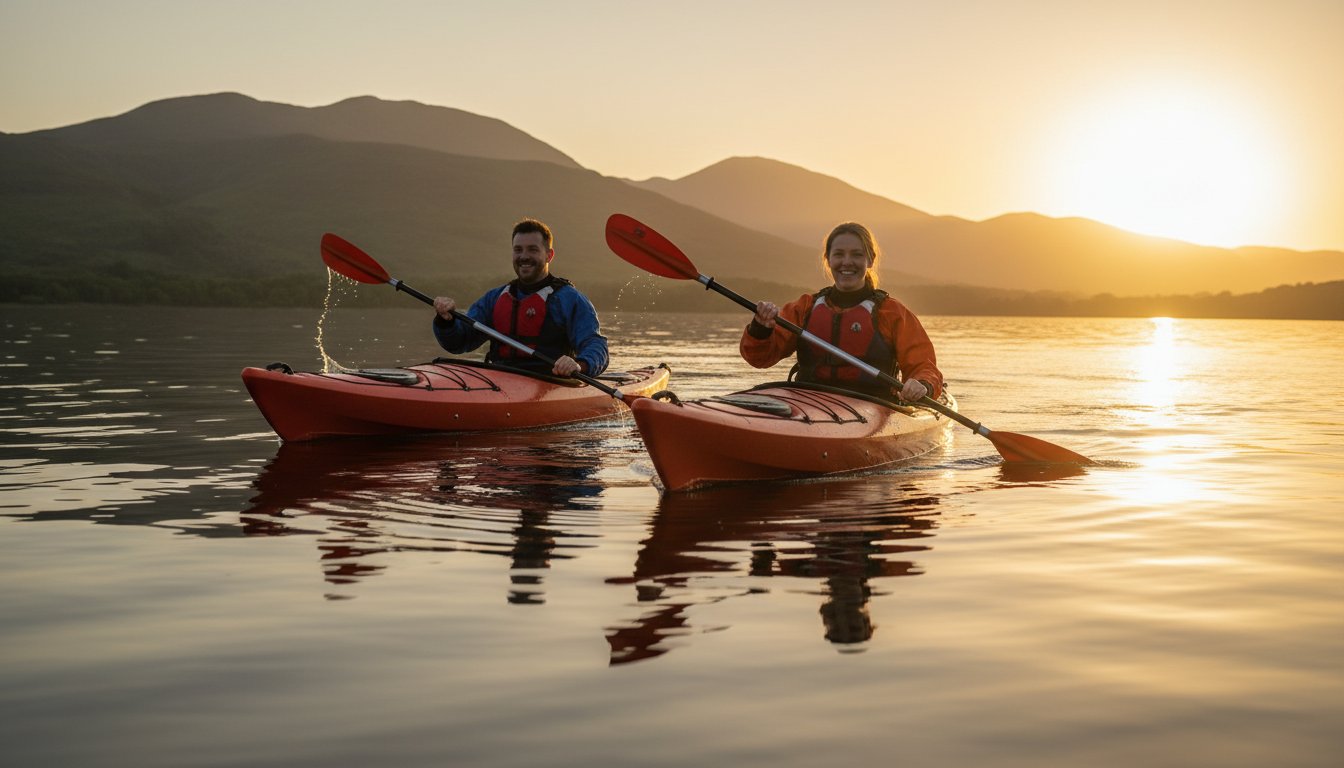
Ever picture yourself gliding across a glassy lake, paddle in hand, but the overwhelming ‘how’ keeps you stuck on the shore? We get it. Choosing your first kayak can feel intimidating, surrounded by different boat types, confusing gear, and a long list of unknowns. But that hesitation is the only thing standing between you and an incredible new adventure. It’s time to conquer that uncertainty and embrace the freedom of the open water, leaving all your worries behind.
This guide is your secret weapon. We’re cutting through the noise to give you a simple, no-nonsense roadmap for your first paddling trip in 2026. From understanding the basic types of kayaks to a simple checklist for what to wear and bring, we cover everything. Our goal is to give you the reliable knowledge and essential safety tips you need to launch your first trip with absolute confidence. Your adventure starts now.
Key Takeaways
- Define your adventure goals first to simplify the process of choosing the right kayak for you.
- Learn which non-negotiable safety items you need to pack before you even think about comfort gear.
- Use our pre-trip checklist to plan your first outing with confidence and avoid common beginner mistakes.
- Discover the secret to paddling longer and staying pain-free by preventing blisters and chafing before they start.
What is a Kayak? Understanding the Fundamentals
Imagine gliding across a glassy lake or exploring a hidden coastline, powered only by your own strength. This is the freedom of kayaking. At its core, a kayak is a sleek, water-tight vessel propelled by a double-bladed paddle-the key feature that sets it apart from its single-bladed canoe cousin. With a rich history of the kayak stretching back thousands of years, this versatile craft is your ticket to adventure on nearly any body of water, from serene rivers to challenging coastal waves. But before you launch, understanding the two main families of kayaks is your first step to conquering the water.
Sit-on-Top vs. Sit-Inside Kayaks
Your first major choice is between a sit-on-top and a sit-inside model. A sit-on-top kayak features an open, molded deck where you sit, making it incredibly easy to hop on and off-perfect for warm climates and recreational fun. A sit-inside model encloses your lower body within a cockpit, offering superior protection from the elements and a more connected feel to the boat. Neither is better; they are simply built for different goals.
| Feature | Sit-on-Top Kayak | Sit-Inside Kayak |
|---|---|---|
| Best For | Beginners, warm weather, easy entry/exit | Cooler climates, long-distance, speed |
| Protection | Minimal; you will get wet | Excellent protection from water, wind, and sun |
| Recovery | Very easy to re-enter from the water | Requires practice to re-enter if capsized |
| Feel | Open and free, higher center of gravity | Secure and connected, lower center of gravity |
Anatomy of a Kayak: Key Parts to Know
Don’t let the terminology intimidate you. Knowing just a few key parts will boost your confidence and control on the water. Think of these as your command center for performance.
- Bow: The front of the boat. It’s designed to cut cleanly through the water.
- Stern: The back of the boat.
- Hull: The bottom of the boat. Its shape is the secret to the kayak’s speed and stability.
- Cockpit: Your seat! This is where you sit and control the vessel.
- Foot Pegs: Your power source. Brace your feet here to engage your core and deliver powerful, efficient strokes.
- Hatches: Secure, often watertight compartments for stowing gear and keeping it dry.
Choosing Your First Kayak: A Simple Decision Guide
Ready to conquer the water? Your first kayak is a ticket to a new world of adventure. The best choice starts not with specs, but with a simple question: What kind of adventure do you want? Before you commit, we recommend renting a few different models. It’s the smartest way to find the perfect fit for your goals and feel confident in your purchase.
Once you know what you enjoy, you can find the perfect vessel to support your performance. Let’s break down the essentials.
Matching the Kayak to Your Activity
Your boat should be your ultimate teammate, perfectly suited for the challenge ahead. For beginners, the choice usually comes down to three core types:
- Recreational Kayaks: Your go-to for pure enjoyment. These stable, easy-to-turn boats are built for short trips on calm lakes and slow-moving rivers. They offer a secure and forgiving ride for casual paddling.
- Touring (Sea) Kayaks: Built for performance and distance. Longer and narrower, these kayaks track straight and move fast, making them ideal for open water and conquering multi-hour journeys.
- Fishing Kayaks: Your ultimate angling platform. These are wider and exceptionally stable, giving you the confidence to cast, stand, and reel. They come equipped with features like rod holders and gear mounts to support your passion.
Key Factors to Consider: Length, Width, and Weight
Every design involves a trade-off between speed, stability, and maneuverability. Understanding these core factors empowers you to choose a boat that works for you, not against you.
- Length: Longer boats track straighter and glide faster. Shorter boats are lighter and much easier to turn-perfect for exploring tight coves or winding rivers.
- Width (Beam): This is your stability control. A wider beam creates a more stable platform, which is a massive confidence-booster for beginners. The trade-off? A narrower boat is faster. Your first priority should be feeling secure.
- Weight: Don’t overlook this crucial detail. How will you get it from your car to the water? Make sure you can comfortably lift, carry, and load your chosen kayak on your own or with a partner.
Speaking of transport, the vehicle you use to get your kayak to the water can do more than just carry your gear. For small business owners who love the outdoors, it’s also a prime marketing opportunity. Companies like Yeahgor specialize in turning work vans and personal vehicles into professional mobile billboards with custom wraps and decals.
Essential Kayaking Gear: Dressing for Comfort and Safety
A successful day on the water requires more than just your boat. The right gear is your partner in performance, transforming a good paddle into a great one. Before you launch your kayak, let’s cover the essential equipment that keeps you safe and powerful from the first stroke to the last.
The Non-Negotiables: Safety First
Before you even think about comfort, you must prioritize safety. These items are not optional; they are your lifeline. Having them on board builds the confidence you need to push your limits.
- Personal Flotation Device (PFD): This is your most critical piece of safety armor. It must be worn securely, not just stored in your boat. A properly fitted PFD keeps you afloat and can save your life.
- Paddle: Choose a paddle with the correct length for your height and boat width. The right size maximizes your power and prevents unnecessary strain on your shoulders and back.
- Signaling Device: A simple, loud whistle or air horn is a non-negotiable. It’s a small tool that can make a huge difference if you need to attract attention.
Dressing for Success: Preventing Chafing & Blisters
Once your safety is locked in, the next challenge is conquering discomfort. Nothing cuts a trip short faster than painful irritation. Your secret weapon against this is smart preparation, starting with what you wear.
Fabric is key. Leave the cotton t-shirts at home-once wet, they stay wet, cold, and heavy, creating the perfect environment for friction. Instead, choose quick-drying synthetic fabrics like polyester or nylon to wick moisture away from your skin.
Even with the right materials, repetitive motion is the enemy of comfort. The constant rubbing of a PFD against your neck and underarms can quickly lead to raw, painful chafing. For any new paddler, hand blisters from gripping the paddle are a trip-ruining reality. This friction from wet gear is the primary barrier between you and peak performance on your kayak adventure.
Your First Trip Checklist: Planning for a Perfect Day
Preparation is your secret weapon for an incredible day on the water. A great adventure isn’t about luck; it’s about control. This simple pre-launch checklist ensures you’re geared up for performance and comfort, so you can focus on the paddle in your hands and the water ahead, not on nagging discomfort. Conquer your first trip with total confidence.
Choosing a Beginner-Friendly Location
Your first experience should be about fun, not fighting the elements. Select a location with calm waters like a small lake, a protected bay, or a wide, slow-moving river. Always check the weather and wind forecast before you leave home. A strong headwind can turn a pleasant paddle into a grueling workout. Finally, choose a spot with an easy, accessible launch point, like a sandy beach or a dedicated kayak ramp, for a stress-free start.
What to Pack: The Essentials List
Pack smart to perform your best. Your gear should be light, essential, and ready for action. Forget the non-essentials and focus on what will keep you safe, energized, and chafe-free for your entire journey.
- Hydration & Fuel: A reusable water bottle and high-energy snacks like granola bars or fruit.
- Sun Protection: High-SPF, water-resistant sunscreen, a wide-brimmed hat, and polarized sunglasses.
- Dry Bag: A small waterproof bag to protect your phone, keys, and wallet.
- Your Invisible Armor: A high-quality anti-chafe balm for your neck, underarms, and hands where they grip the paddle. This is non-negotiable for preventing painful wetsuit and paddle rash. Pack your invisible armor. Check out our line of anti-chafe balms to stay comfortable.
With your gear checked and your route planned, you’re ready to embrace the freedom of the open water. Now go make some waves.
Stay Comfortable, Paddle Longer with RG Anti Chafe
You’ve invested in the right gear, planned your route, and are ready for the water. The last thing you need is the nagging burn of chafing or the sting of a blister cutting your day short. The friction from a wetsuit, the rubbing of a PFD, and the constant grip on a paddle are realities of the sport. But the pain doesn’t have to be.
While generic petroleum jellies can feel greasy and even damage expensive gear, a specialized balm is your true partner in performance. RG Anti Chafe Balm is engineered for athletes. It’s not just a barrier; it’s essential equipment designed to help you conquer every mile on the water, distraction-free.
Your Secret Weapon Against Friction
Think of RG Anti Chafe Balm as invisible armor for your skin. It glides on smoothly to create a durable, breathable barrier that shields you from friction. Its powerful water-resistant formula won’t sweat off or wash away, providing steadfast protection that lasts. Made with natural, plant-derived ingredients, it’s safe for sensitive skin and won’t clog your pores, ensuring your skin stays healthy while you focus on your performance.
How to Apply for a Chafe-Free Paddle
Application is simple and fast. Before you gear up, apply a thin layer directly to any areas prone to irritation. For any kayak enthusiast, the key hot spots are:
- Underarms: Where your arms move with every paddle stroke.
- Neck and Shoulders: To prevent rubbing from your PFD or wetsuit collar.
- Hands and Thumbs: To stop blisters from forming as you grip the paddle.
A little goes a long way, providing all-day protection that lets you push your limits. Don’t let chafing cut your adventure short. Shop RG Anti Chafe Balm now.
Your Adventure Awaits: Paddle Forward with Confidence
You’ve learned the fundamentals, from understanding the parts of a boat to selecting your first kayak. With your gear checklist complete and safety in mind, you are officially ready for an unforgettable day on the water. Preparation is the key to unlocking true freedom and enjoyment in your new sport.
Embracing this kind of adventure is more than just a hobby; for some, it’s a lifestyle. People who build their lives around these principles, like brand ambassador Victoria OHare, often share their journeys to inspire others to find their own freedom on the water and beyond.
But even the best-planned trip can be cut short by discomfort. The repetitive motion of paddling can lead to painful chafing and blisters, holding you back. Don’t let irritation ruin your adventure. Equip yourself with the secret weapon trusted by athletes to conquer friction and stay focused on the journey ahead.
RG Anti Chafe Balm’s water-resistant formula is perfect for paddling, and it’s made with natural, skin-safe ingredients. Unleash your potential on the water. Gear up with RG Anti Chafe Balm.
The water is calling. Now you have the knowledge and the tools to answer. Go embrace the journey and paddle on!
Frequently Asked Questions
What should I wear for my first time kayaking?
For your first kayak adventure, focus on comfort and protection. Dress in layers using synthetic, quick-drying fabrics like polyester or nylon-never cotton. In cooler water, a wetsuit is your best armor against the cold. Always wear a properly fitted Personal Flotation Device (PFD). This gear protects you from the elements, letting you focus on your performance and enjoying the water. Your goal is to stay comfortable, safe, and ready for action.
Is kayaking difficult for a beginner to learn?
Not at all! Kayaking is incredibly accessible. You can learn the basic forward and turning strokes in just a few minutes on calm water. While mastering advanced techniques for rough conditions takes practice, the fundamentals are simple. Most beginners feel confident paddling a stable recreational kayak after a very short time. Embrace the freedom of the water; it’s easier to get started than you think and a fantastic way to explore.
How do I get back in a kayak if I fall out?
Getting back in is a key safety skill. The most common self-rescue involves a paddle float. After flipping your kayak upright, slide the float onto one end of your paddle and inflate it. Place the other end of the paddle behind your cockpit to create an outrigger for stability. Then, kick your legs to the surface and pull yourself onto the back deck, swinging your legs back inside. Practice this in shallow water to build confidence.
Do I need to take a kayaking lesson before I go out on my own?
While not mandatory, taking a lesson is a powerful first step. A certified instructor will give you the tools to be confident and safe on the water. You’ll learn efficient paddle strokes to prevent fatigue and master essential safety skills, like what to do if you capsize. Think of it as investing in your performance and unlocking your potential right from the start. It’s the fastest way to build a solid foundation.
How can I prevent getting painful blisters on my hands from the paddle?
Protect your hands to keep you going longer. The key is reducing friction. Start by relaxing your grip-don’t hold the paddle shaft in a death grip. For ultimate protection, wear a pair of paddling gloves. Applying a high-performance anti-chafe balm to your hands before you start can also act as invisible armor, creating a barrier that stops blisters before they can form and ruin your day on the water.
Is it better to rent or buy a kayak when you’re just starting?
Renting is the smart choice for beginners. It gives you the freedom to try different types and sizes of kayaks without a major financial commitment. You can discover if you prefer a sit-on-top or a sit-in model, and see how different lengths handle. Once you know what you love and are ready to commit to the sport, you can make an informed decision and purchase the perfect kayak for your adventures.
What is the difference between a kayak and a canoe?
The main differences are the paddle, seating, and deck design. A kayaker uses a double-bladed paddle and sits low in the boat with legs extended forward. A canoeist uses a single-bladed paddle and typically kneels or sits on a raised seat. Kayaks usually have a closed deck to keep water out, while canoes have an open-top design, making them great for carrying gear but more susceptible to taking on water.