
Uncategorized
How to Prevent Sports Bra Chafing Fast
Apr
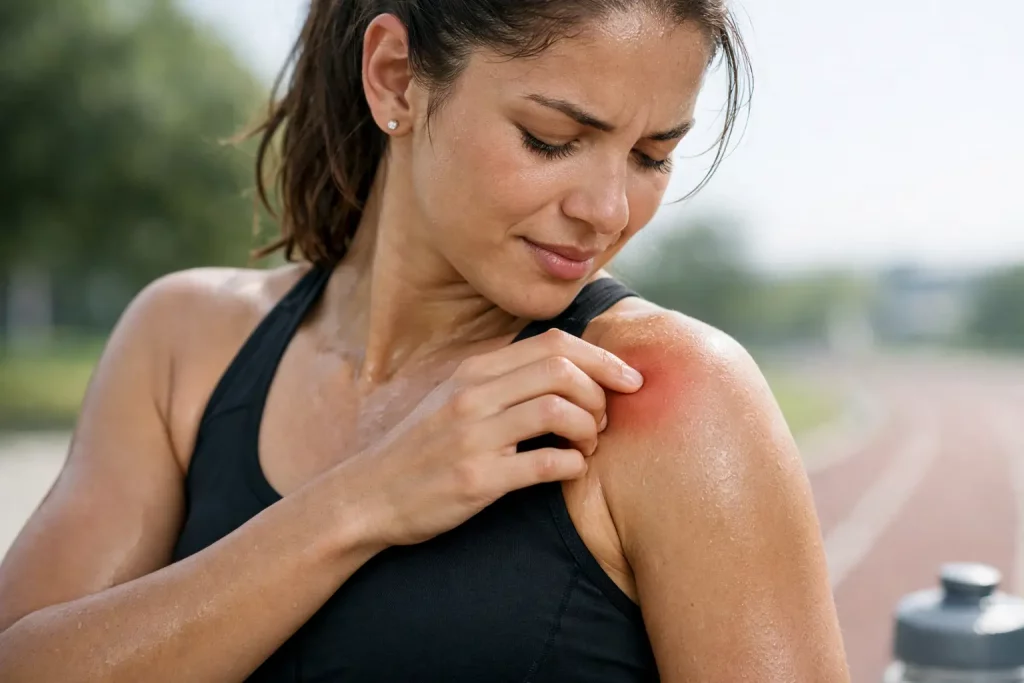
That sharp, burning rub under the band or along the straps can turn a good session into a countdown to getting changed. If you are wondering how to prevent sports bra chafing, the fix is usually not one single trick. It is a mix of better fit, smarter fabric, a little skin prep, and knowing where friction starts before it becomes a problem.
Sports bra chafing is common because bras sit exactly where sweat, movement and pressure all meet. On a short walk, you might barely notice it. On a long run, a warm gym session or a humid hike, that same bra can suddenly feel relentless. The good news is that chafing is usually preventable, and once you know what is causing it, you can stay comfortable for far longer.
How to prevent sports bra chafing at the source
Chafing happens when skin or fabric keeps rubbing the same spot over and over. Add heat, moisture and salt from sweat, and the skin barrier starts to break down. With sports bras, the usual hotspots are the underband, the side seams, the neckline, the armhole and the straps.
The biggest mistake is assuming chafing only means the bra is too tight. Sometimes that is true, especially if the band is digging in and leaving deep marks. But a bra that is too loose can be just as irritating because it shifts constantly. The goal is secure support without drag, bounce or bunching.
If the rubbing happens in the same place every time, the problem is often the bra design or fit. If it only appears on longer efforts, in hot weather or when you sweat heavily, moisture and friction are probably the real issue. That difference matters, because it tells you whether to change the bra, your prep, or both.
Start with fit, not willpower
A lot of people try to tolerate a bra that is almost right. That usually works until the session gets longer. Then the rubbing starts, and once skin is irritated, every step or arm swing makes it worse.
The band should feel firm and supportive, but you should still be able to breathe comfortably and move without feeling squeezed. If the band rolls, creeps up or shifts around, it is not stable enough. If the straps are carrying all the load, they may rub your shoulders or dig into the front of the chest. A good sports bra spreads support evenly rather than concentrating pressure in one area.
Cup fit matters too. If there is spillage, the neckline and armholes can rub. If there is gaping, the fabric may wrinkle and create friction points. This is especially noticeable during running, HIIT and court sports where repeated upper body movement increases fabric motion.
If you are between sizes, it depends on the bra and the activity. For high impact training, a closer fit is often better. For lower impact workouts, comfort may matter more than maximum compression. The right answer is the one that stays put without scraping your skin raw.
Fabric and construction can make or break comfort
Even a well-fitting bra can chafe if the fabric is rough, the seams are bulky or the trims sit in the wrong place. Soft, moisture-wicking materials generally perform better than cotton because they move sweat away from the skin instead of holding it there.
Look closely at the inside of the bra, not just the outside. Seams, labels, hooks and bonded edges can all become friction points. For some people, racerback designs solve strap rub. For others, they create it near the neck or shoulders. Front zips can be convenient, but if the zip guard is stiff or sits awkwardly, it may cause rubbing at the centre chest.
This is where trial and error comes in. The best bra for support is not always the best bra for skin comfort. If one style consistently irritates you in the same area, stop trying to make it work. Your training should challenge your body, not your underband.
Moisture is often the hidden cause
Sweat changes everything. A bra that feels fine when dry can become abrasive once damp. Salt from sweat can also make the fabric feel harsher against the skin, especially on longer runs, rides or hikes.
That is why sports bra chafing often flares up in summer, on treadmill sessions, during races, or when you wear a backpack or hydration vest that adds pressure. It is not just the bra. It is the full friction environment.
If you know you sweat heavily under the bust or around the straps, prevention starts before you get dressed. Make sure skin is clean and fully dry before putting the bra on. Applying products like heavy body lotions right before exercise can sometimes make things worse if they leave the area damp or tacky. If you moisturise regularly, do it well ahead of your session so the skin has time to absorb it.
Use friction protection before the rub starts
If you already know your hotspots, the most effective move is to protect them before activity. That means applying an anti-chafe balm to the skin where the bra tends to rub, such as under the band, along the side of the chest, around the neckline or beneath the straps.
This step is simple, but it makes a real difference because it reduces the skin-on-fabric friction that builds with every stride or rep. It is especially useful for longer sessions, warm conditions and new bras that you have not fully tested yet.
A stick format is practical because it goes on quickly, travels easily and does not leave your hands messy. For active routines, that matters. You want something you can swipe on before a run or keep in your gym bag without turning prep into a faff. RG is built around exactly that kind of friction prevention – easy, targeted protection that helps you keep moving in comfort.
The key is timing. Do not wait until you feel the sting halfway through your workout. Once skin is already irritated, prevention becomes damage control. Apply it before movement starts, when it can do its job properly.
How to prevent sports bra chafing on long runs and high-sweat days
Long-distance efforts need a bit more planning because small issues get magnified over time. A bra that is acceptable for 5K may be awful at 15K. The same goes for a hike that lasts all day or a cycling session where posture keeps pressure in one area.
On these days, think in layers of prevention. Start with a bra you already trust. Add anti-chafe protection to your usual hotspots. Choose technical kit that helps manage sweat rather than trapping it. And if your route or session allows, change out of a soaked bra as soon as you are finished.
For very long efforts, some athletes also reapply friction protection if they know a problem area tends to flare later on. That depends on the event, the weather and how accessible your kit is. Not everyone needs that extra step, but if you are training for endurance goals, it can be worth testing in advance.
Wash and wear habits matter more than people think
Old bras can become surprisingly irritating. Elastic degrades, fabric roughens, seams twist, and the fit changes slowly enough that you may not notice until your skin does. If a once-reliable bra has started rubbing, wear and tear may be the reason.
Washing habits play a part too. Harsh detergents, fabric conditioner and high heat can affect stretch and softness. Sports bras generally last longer and feel better when washed gently and dried carefully. If the fabric feels scratchier than it used to, or the band no longer sits flat, it may be time to replace it.
It is also worth removing tags or checking whether any internal stitching has started to lift. Tiny details can create a lot of friction when repeated thousands of times during movement.
When the issue is your skin, not just your bra
Sometimes the bra is only half the story. Sensitive skin, eczema, heat rash and irritation from shaving can all make you more prone to chafing. Hormonal changes can also affect how reactive your skin feels during training.
If that sounds familiar, be extra selective about fabrics and prep. Gentle friction protection can help, but if you are dealing with broken skin, persistent rashes or symptoms that do not improve, it is sensible to pause and let the area recover. Chafing should feel preventable, not inevitable.
There is also a confidence piece here. A lot of active women put up with sports bra discomfort because it seems minor compared with the rest of training. But comfort is performance. When your bra stops distracting you, you breathe easier, move more freely and stay focused on the session instead of the sting.
The best fix is usually a combination: a bra that fits properly, fabric that works with sweat instead of against it, and friction protection on the spots you already know can flare up. Get those pieces right, and you can stop bracing for the rub and get back to moving with confidence.
