
Uncategorized
How to Prevent Shoe Rubbing Blisters
Mar
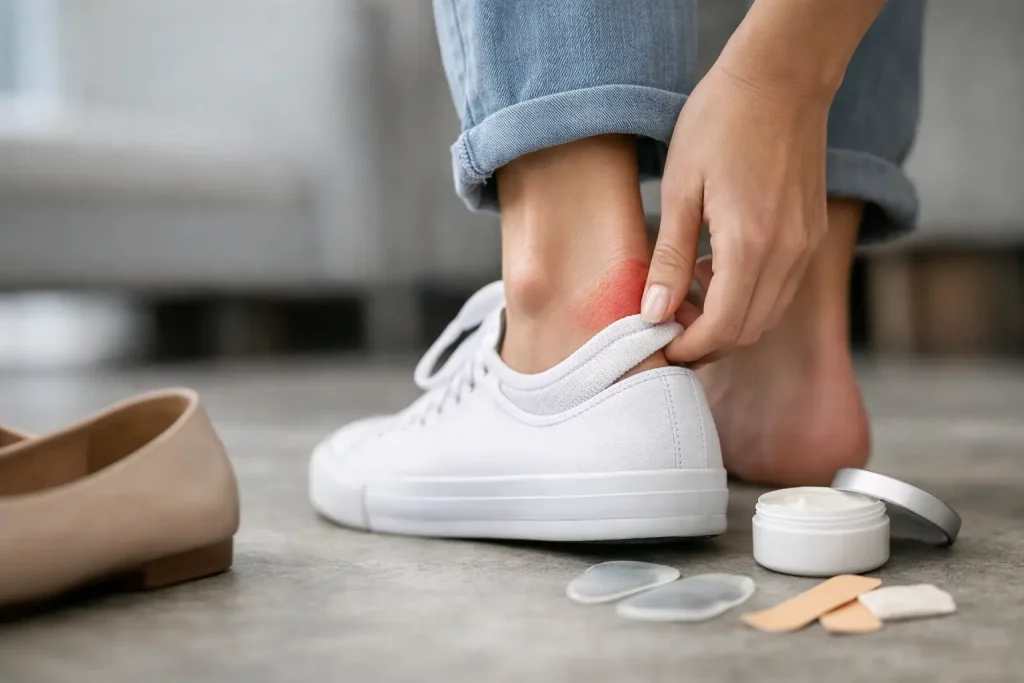
That hot spot on your heel rarely comes out of nowhere. One mile into a run, halfway through a city walk, or just as a hike starts getting good, you feel the rub. If you want to know how to prevent shoe rubbing blisters, the fix is usually not one big change. It is a few smart adjustments that reduce friction before your skin starts to complain.
Blisters form when repeated rubbing separates the upper layers of skin and fluid fills the gap. Sweat, heat and pressure speed the whole process up. That is why the same pair of shoes can feel fine on a short stroll but become a problem on a longer walk, a humid day or a hard training session.
The good news is that blister prevention is very manageable when you look at the full picture: shoe fit, sock choice, lacing, moisture and friction protection. Get those working together and you can move with far more comfort and confidence.
How to prevent shoe rubbing blisters starts with fit
Most shoe rubbing issues start before you even leave the house. If your shoes are too tight, your skin gets compressed and irritated. If they are too loose, your foot slides and rubs. Either way, friction wins.
A good fit should feel secure at the heel, comfortable through the midfoot and roomy enough in the toe box that your toes are not jammed together. For running shoes in particular, many people do better with a little extra space at the front because feet can swell during activity. That does not mean sloppy. It means enough room to move naturally without your foot shifting around inside the shoe.
It also helps to think about when you try shoes on. Feet often expand slightly later in the day or after exercise, so a pair that feels perfect first thing in the morning can become less forgiving later. If you are buying footwear for long walks, runs or hikes, test fit them in the kind of socks you actually plan to wear.
Some rubbing points are model-specific. A stiff heel counter may catch the back of your heel. A seam on the upper may irritate the little toe. A narrow forefoot may create rubbing along the side of the foot. If one area keeps flaring up, pay attention to the exact contact point. That usually tells you whether the issue is size, shape or construction.
Socks matter more than most people think
The wrong sock can turn a decent shoe into a blister machine. Cotton is the usual culprit because it holds moisture against the skin. Once damp, it increases friction and softens the skin, making blisters more likely.
For walking, running and training, moisture-wicking socks made from technical fibres or wool blends tend to perform far better. They help manage sweat and create a more stable layer between the foot and the shoe. Thickness matters too. A very thin sock can leave the foot exposed to pressure points, while a sock that is too thick can make a well-fitted shoe suddenly feel tight.
There is no single perfect sock for everyone. If your shoes are already snug, a thinner performance sock might work best. If your heel slips slightly, a more cushioned sock may improve the fit. What you want is consistency – a sock that stays put, keeps moisture down and does not bunch under the foot.
If you are prone to blisters on longer efforts, double-layer socks can help in some cases because the friction happens between the layers instead of against your skin. They are not essential for everyone, but they are worth testing if standard socks are not solving the issue.
Lacing can stop heel slip and pressure points
A surprising number of blister problems come from shoes that are not laced for the foot that is inside them. If your heel lifts with each step, the back of the shoe keeps dragging across the same patch of skin. That repeated movement is exactly what creates a blister.
A heel-lock or runner’s loop lacing method can make a real difference. It helps secure the heel without forcing you to over-tighten the whole shoe. That matters because many people compensate for heel slip by yanking the laces across the top of the foot, which creates a new problem: pressure, numbness or rubbing over the tongue.
If you feel rubbing on the top of the foot, try skipping an eyelet where the shoe presses most. If your forefoot feels squeezed but the heel is stable, loosen the lower laces slightly while keeping the ankle area secure. Small lacing changes can transform how a shoe feels over distance.
Reduce friction before activity starts
If you already know your blister zones, prevention should start before the first step. The aim is simple: reduce skin-to-shoe rubbing as much as possible.
That is where an anti-blister balm earns its place in your routine. Applied to common hot spots such as the heel, toes or sides of the foot, it helps create a friction-reducing barrier so movement stays comfortable for longer. This is especially useful on runs, hikes, travelling days and warm-weather walks, when heat and moisture tend to build quickly.
A stick format is practical because it is quick, clean and easy to carry. If you like to be prepared without stuffing your bag full of extras, that matters. RG makes anti-blister options designed for exactly this kind of use – straightforward protection that helps you keep moving without the distraction of skin irritation.
Timing matters too. Balm works best before rubbing starts, not after a blister is already forming. Once you feel a hot spot, you are already in the warning zone.
Keep feet dry, but do not chase dryness at all costs
Moisture is a major part of the blister equation, but the answer is not to strip the skin dry and hope for the best. Overly dry, cracked skin can also be vulnerable under pressure and rubbing.
What you are aiming for is balanced skin and better sweat management. Change out of damp socks after long sessions. Let shoes air properly between wears. If one pair never fully dries before your next workout, rotate with another pair. On long hikes or travelling days, carrying spare socks can make a bigger difference than you might expect.
If your feet sweat heavily, consider whether your shoes are trapping too much heat. Some waterproof or heavily structured shoes are useful in certain conditions, but they can also run warm. There is always a trade-off. The best shoe for a wet trail is not necessarily the most comfortable shoe for a dry summer walk around town.
Breaking shoes in without wrecking your feet
New shoes are one of the most common blister triggers, even when they seem to fit well in the shop. Materials need time to flex, and your feet need time to adapt to the shape and feel.
The safest approach is to build up gradually. Wear new shoes indoors first, then on short outings, then for longer sessions once you are confident there are no obvious hot spots. Jumping straight into a 10K, all-day sightseeing or a long hill walk in fresh shoes is asking a lot of both the footwear and your skin.
This matters even more with hiking boots or stiffer training shoes. The structure that gives support can also increase rubbing until the upper softens. If you know you have an event, trip or race coming up, give yourself enough lead time to test everything properly.
How to prevent shoe rubbing blisters on long days out
Distance changes the game. A shoe setup that feels fine for 30 minutes may not hold up over several hours. Heat builds, feet swell, sweat increases and little fit issues get amplified.
For long runs, hikes or travelling days, think preventively rather than reactively. Use the socks you trust. Lace your shoes with intention. Apply friction protection to your known problem areas. And if something feels off early, sort it then. Waiting usually turns a small irritation into a proper blister.
It is also worth checking your gait and fatigue levels. When you are tired, your form can change and create new pressure patterns inside the shoe. That is one reason blisters sometimes appear late in a session even when your footwear normally behaves.
When the real answer is different shoes
Sometimes the honest answer is that the shoe and your foot are simply not a good match. No sock, lacing trick or balm can fully solve a shape problem built into the design.
If you keep getting blisters in the same place despite trying the basics, look hard at the shoe itself. A narrow heel, a rigid seam, a loose midfoot or a toe box that fights your natural foot shape will keep causing trouble. Prevention products can reduce friction brilliantly, but they work best when the footwear is broadly right to begin with.
Comfort should not be something you gamble on. The goal is freedom of movement, not managing pain with every step. When your shoes fit properly and your friction control is sorted, you stop thinking about your feet and get back to the reason you laced up in the first place.
