
Uncategorized
How to Choose a Natural Anti Chafe Stick
Mar
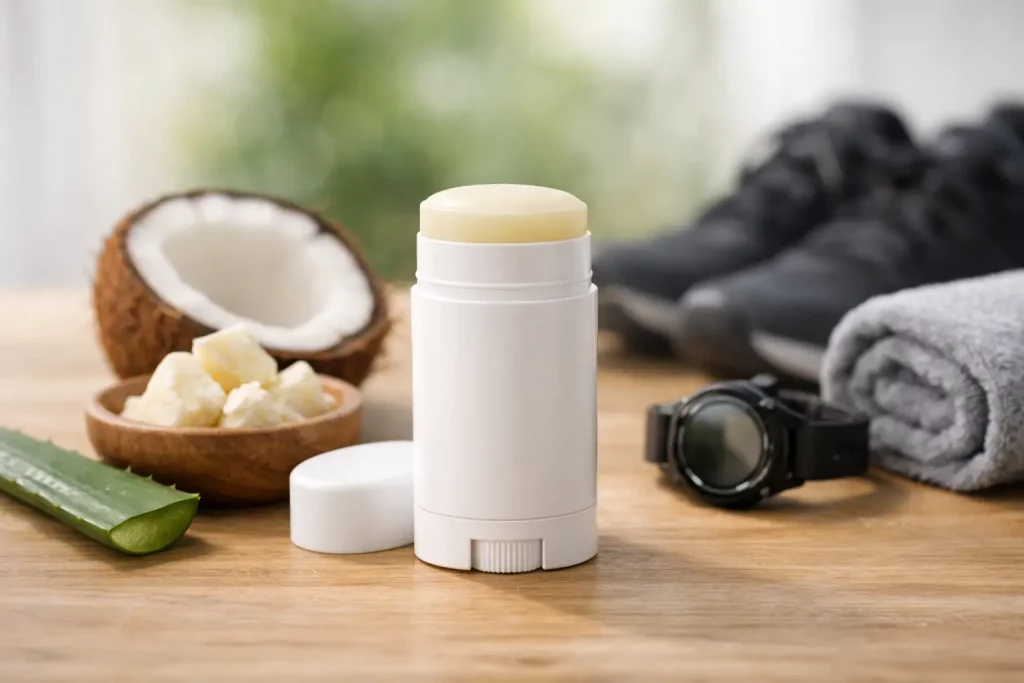
The wrong friction fix usually reveals itself about three miles too late. Your stride changes, your focus goes, and suddenly a good run, hike or long day on your feet turns into a battle with your own skin. A natural anti chafe stick should stop that before it starts – without feeling greasy, messy or awkward to carry.
If you are trying to find one that actually works, the label alone will not tell you much. “Natural” can mean very different things from one product to the next, and not every stick is built for the same kind of movement. Some are better for all-day walking and warm-weather wear. Others are made to handle repeated friction from running, cycling or gym sessions where sweat and constant motion test everything.
What a natural anti chafe stick should actually do
At its core, an anti-chafe stick creates a protective barrier that helps skin glide instead of rub. That sounds simple, but performance matters. A stick might feel smooth when you apply it in the bathroom, then disappear the moment heat, sweat and fabric enter the picture.
A good product needs to reduce friction where skin or clothing repeatedly catches – thighs, underarms, sports bra lines, feet, chest, groin area or anywhere shoes and seams create hot spots. It should stay comfortable on the skin, apply quickly, and not leave you feeling coated in something heavy.
That is where natural formulation matters for many active people. If you are using a product regularly, often on sensitive areas, you want ingredients that feel skin-friendly and practical for repeated use. But “natural” on its own is not the win. The real question is whether the stick performs when your body is in motion.
Natural anti chafe stick ingredients that make sense
When you are reading an ingredient list, focus less on marketing language and more on how the formula is likely to behave. A natural anti chafe stick often uses plant-based waxes and butters to create slip and form a barrier. That can be a strong option, especially if you want to avoid petroleum-heavy products.
Still, there is a trade-off. Some richer formulas feel nourishing but may soften too much in heat or transfer onto clothing. Others are firmer and cleaner to apply, but can drag if the balance is off. The best choice depends on how and where you move.
If you are running, hiking or cycling, look for a stick designed to stay put through sweat and repetition. If you mainly want comfort for summer dresses, commuting or travel, you may prefer something lighter with a smooth, quick-glide finish. Neither is automatically better – it depends on your routine.
Many active users also prefer formulas without petroleum or messy oils because they want something cleaner on skin, kit and hands. A stick format is especially useful here. You can target the area directly, keep application tidy and throw it in a gym bag or carry-on without much thought.
Why stick format matters more than people think
Creams, gels and powders all have their place, but a stick is often the easiest option to use consistently. That matters because anti-chafe products work best before rubbing begins, not after skin is already sore.
A natural anti chafe stick is easy to swipe on before a morning run, before putting on shorts, or before a long day walking around a city on holiday. No squeezing, no spills, no need to wash your hands afterwards if you apply carefully. That convenience sounds small, but it is often the difference between using a product every day and leaving it in a drawer.
Portability is another advantage. If you are training, travelling or heading out for a full day, a compact stick can come with you for quick reapplication. That is particularly helpful in hot conditions, on long efforts, or when you are dealing with areas that need a bit more protection as the day goes on.
How to tell if a stick will work for your activity
Not every friction problem is the same. Thigh chafing from walking in warm weather is different from heel rubbing in running shoes, and both are different again from underarm irritation during a gym session.
For runners, the main priority is staying power. You want a stick that holds up over distance and does not vanish with sweat. For hikers, durability and easy reapplication matter because terrain, pack straps and long hours increase friction in multiple places. For cyclists, targeted application is key, especially around seams and repeated contact points. For everyday wear, comfort and a clean finish may be the top priorities.
This is why broad claims can be misleading. A product might work brilliantly for occasional wear but struggle during hard training. Or it may be ideal for endurance use but feel a bit too substantial for someone who only wants protection under a summer skirt. The best choice is the one that fits your actual movement, not just the nicest-looking packaging.
Signs your current anti-chafe product is not the right one
Sometimes the problem is not that anti-chafe products do not work. It is that your current one is asking too much of the wrong formula. If you have to reapply constantly on a short outing, if it feels sticky, if it stains clothing, or if your skin still feels raw after activity, it may not be the right match.
Another clue is avoidance. If a product is messy, bulky or unpleasant to apply, you will start skipping it. Then the discomfort comes back, and your confidence drops with it. The best anti-chafe protection fits into your routine so easily that it becomes automatic.
That is a big reason people gravitate towards purpose-built sticks from specialist brands rather than general skin balms. Products made specifically for friction prevention are usually designed around movement first, not just moisturising skin. At Runglide, that focus is simple: help you stay active longer and more comfortably without rubbing stealing your momentum.
How to use a natural anti chafe stick for better results
Application technique matters more than most people realise. Start with clean, dry skin and apply before activity begins. Do not wait until you already feel a hot spot. By then, the irritation has started.
Use enough product to create a smooth layer over the area that usually rubs. That might be inner thighs, underarms, feet, bra lines or anywhere clothing catches repeatedly. One light swipe may be enough for everyday wear, but longer sessions often need more deliberate coverage.
If you know you are heading into heat, humidity or long distance, bring the stick with you. Reapplying before the friction becomes noticeable is far better than trying to rescue sore skin halfway through. And if you are testing a new product, try it on a shorter session first so you can judge how it performs with your body, kit and pace.
Natural does not mean you should lower your expectations
There is sometimes an assumption that if a product is natural, it might be gentler but less effective. For active people, that is not a compromise worth making. You should expect both skin-friendly ingredients and reliable protection.
The good news is you do not have to choose between comfort and performance. A well-made natural anti chafe stick can offer daily usability, clean application and serious friction defence. The key is choosing one that is built for movement rather than just packaged around the word “natural”.
That means looking for clear use cases, practical format, and a formula that supports repeat application without fuss. If your workouts, walks or travel days are often interrupted by rubbing, the right stick is not a luxury. It is part of staying consistent.
Chafing has a way of making people shrink their plans – shorter runs, different clothes, fewer miles, less freedom. The right protection does the opposite. It lets you move with more confidence, trust your routine and get on with the part that actually matters: enjoying the miles ahead.
