
Blog
Blister Relief for Feet: The Athlete’s Guide to Treatment & Prevention in 2026


It starts with a simple hot spot, but it can end your training session in an instant. A single, painful blister has the power to sideline even the most dedicated athlete, turning your focus from performance to pure frustration. When you’re in the zone, the last thing you need is a search for effective blister relief feet can depend on. But what’s the right move? Pop it or protect it? And how do you stop those stubborn blisters from returning to the same spot, sabotaging your progress?
Stop guessing and start conquering. This is your definitive 2026 guide to taking back control. We’ll give you the expert-backed steps to safely and quickly treat the blisters you have now, minimizing pain and preventing infection. More importantly, we’ll arm you with the ultimate prevention strategies-your secret weapon-to build invisible armor for your feet. It’s time to unleash your potential and move with the freedom you deserve, completely uninterrupted.
Key Takeaways
- Learn the correct first steps to treat a painful foot blister, whether it’s intact or broken, to ensure rapid healing.
- Discover why reactive care like bandages is a short-term fix and how to adopt a proactive strategy to stop blisters before they start.
- Understand the science behind anti-friction balms, the modern athlete’s secret weapon for lasting blister relief feet.
- Master a simple routine that makes blisters a thing of the past, allowing you to train harder and compete without limits.
Understanding Foot Blisters: Your Body’s Friction Warning Signal
You’re pushing your limits, conquering that final mile, and then you feel it: the dreaded hot spot. A foot blister is more than just an annoyance; it’s your body’s built-in alarm system. It’s a clear signal that the combination of friction, heat, and moisture is creating a problem. This isn’t a sign of weakness. It’s a sign that your gear or preparation needs a tactical adjustment to keep you performing at your peak. Understanding this warning is the first step to achieving total freedom on your feet.
What’s Happening Under Your Skin?
A blister is your body’s own protective armor. When intense, repetitive rubbing occurs, the outer layer of your skin (the epidermis) separates from the sensitive layers beneath. To understand the science behind what blisters are, think of it as an emergency defense mechanism. Your body rushes clear fluid, called serum, into that gap. This fluid-filled bubble acts as a natural cushion, protecting the raw, underlying tissue from further damage while it heals. If you see a dark, reddish color, you have a blood blister, which means the friction was severe enough to damage deeper blood vessels.
Common Blister Hot Spots for Athletes
Friction isn’t random. It attacks specific high-pressure zones where your gear and your body are in conflict. Knowing these hot spots is your secret weapon for prevention and finding effective blister relief feet. Pay close attention to:
- Heels: Often the first victim of new, stiff footwear or shoes that allow your heel to slip and slide with every step.
- Toes: The pinky toe and big toe are especially vulnerable, getting pinched and rubbed by a tight toe box or bunched-up socks.
- Arch & Ball of Foot: Ill-fitting insoles that don’t support your foot’s natural shape or excessive moisture from sweat can create relentless friction in these areas.
By identifying your personal hot spots, you can proactively build your defense and ensure nothing stands between you and your goals. The best strategy begins before the hot spot even forms, turning potential pain into unstoppable performance. Now that you know the ‘why,’ let’s arm you with the ‘how.’
Immediate Blister Relief: A Step-by-Step Treatment Guide
A painful foot blister can stop you in your tracks, turning a great run or hike into a miserable ordeal. But the right immediate care can get you back in the game. This guide provides the fast-acting blister relief feet need to heal properly and reduce pain, transforming a setback into a minor bump in the road. Let’s get to work.
Your first mission is to assess the damage and create a clean environment for healing. Follow these initial steps:
- Step 1: Assess the Blister. Take a look at the area. Is the skin over the blister intact, or has it torn open? This will determine your next move.
- Step 2: Clean Gently. Wash the blister and the surrounding skin with mild soap and lukewarm water. Don’t scrub. Pat the area dry with a clean, soft towel.
- Step 3: Make the Call. Now for the critical decision: should you drain it? Your body created that fluid-filled bubble as a natural, sterile cushion. In most cases, it’s your best defense.
- Step 4: Protect and Conquer. Whether intact or open, protecting the blister is non-negotiable. This is your armor against further pain and potential infection.
The Great Debate: Should You Pop a Blister?
As a rule, your body knows best. If a blister is small, intact, and not causing intense pain, leave it alone. The unbroken skin is a superior barrier against bacteria. However, if the blister is large, very painful, or in a location where it’s certain to burst from pressure, you may need to consider draining it to relieve pressure. For comprehensive guidance on how to treat blisters safely, experts recommend a sterile procedure if draining is necessary. Never use a dirty pin or your fingernails.
How to Properly Dress and Protect a Blister
Proper dressing is the secret weapon for healing. It reduces friction, prevents infection, and allows you to keep moving with confidence. The method depends on the blister’s condition:
- For Unbroken Blisters: Use a moleskin pad cut into a donut shape. Place it so the blister sits in the hole. This relieves direct pressure and protects the area from friction.
- For Broken or Drained Blisters: Apply a thin layer of antibiotic ointment to prevent infection. Cover it completely with a sterile bandage or hydrocolloid dressing, which can promote faster healing.
- Watch for Infection: Stay vigilant. If you notice signs of infection such as worsening pain, increased redness or warmth, red streaks leading away from the blister, or pus, contact a healthcare professional immediately.
Beyond immediate first aid, supporting your body’s recovery process is key. Many athletes incorporate topical solutions to manage discomfort from skin irritation and physical exertion. For those interested in plant-based options, the CBD Health Collection offers a range of products that can aid in overall wellness and recovery.
Beyond Bandages: Shifting from Reactive Care to Proactive Prevention
When a blister strikes, your first instinct is to grab a bandage. While that provides temporary comfort, it’s a sign that the damage is already done. True peak performance isn’t about patching up problems-it’s about preventing them from ever happening. For athletes who demand uninterrupted focus, shifting from reactive treatment to proactive prevention is the ultimate game-changer. Stop being sidelined by pain and start conquering your goals.
Reactive vs. Proactive: A Comparison for Athletes
Think of it as the difference between defense and offense. One waits for an attack, while the other takes control from the start. The most effective strategy for blister relief feet begins long before you even lace up your shoes.
- Reactive Care (The Patch-Up): This includes bandages, moleskin, and blister pads. They are applied after a hot spot or blister forms. They cover the wound but can easily slip with sweat and movement, often failing when you need them most.
- Proactive Care (The Armor): This is your secret weapon. It includes anti-friction balms, moisture-wicking socks, and properly fitted shoes. Applied before activity, this invisible armor stops friction at its source, allowing your skin to glide smoothly and remain intact.
Why Traditional Solutions Fail During Intense Activity
So, why isn’t a simple bandage enough to protect a runner, hiker, or athlete? Because your performance demands more. During intense activity, your feet sweat, swell, and move constantly, creating the perfect storm for blister formation.
A standard bandage will quickly bunch up or peel away, exposing raw skin to even more friction. Cushioned pads can shift under pressure, creating entirely new hot spots right next to the original blister. Most importantly, these are merely covers, not solutions. They do nothing to address the root cause. As confirmed by extensive research into effective friction blister prevention strategies, the key is to manage moisture and reduce the shear forces that tear skin layers apart-something a simple bandage was never designed to do.
The Ultimate Blister Shield: How Anti-Friction Balms Work
While treating blisters is important, preventing them is the real game-changer. This is where anti-friction balms come in. Think of them as your secret weapon-a layer of invisible armor for your feet. The science is simple but powerful: the balm creates an invisible, low-friction barrier on your skin’s surface. This slick layer allows your socks and shoes to glide smoothly over potential hot spots, rather than rubbing them raw.
High-performance balms are engineered to be sweat-resistant and durable, staying put through long runs, intense hikes, and demanding workouts. They provide the dependable blister relief feet need to go the distance, empowering you to push your limits without fear of painful irritation holding you back.
What to Look For in a High-Performance Anti-Blister Balm
Not all balms are created equal. To get the best protection, look for a formula with skin-friendly ingredients like natural waxes and moisturizers that won’t clog pores. Avoid products with petroleum or heavy oils, which can feel greasy and break down technical fabrics in your gear. A stick applicator is also a must-have for a no-mess, targeted application. Choosing the right anti-blister balm is key to your performance.
Application Technique for Maximum Protection
To get the most out of your balm, proper application is everything. Follow these simple steps for a chafe-free experience and the ultimate blister relief feet can count on:
- Start Clean: Always apply the balm to clean, dry skin before you put on your socks. This creates the most effective barrier.
- Target Hot Spots: Generously coat all areas prone to blisters, such as your heels, arches, the sides of your feet, and between your toes.
- Don’t Be Shy: For long-distance events like marathons or multi-day treks, apply a thick, confident layer. More is better when it comes to prevention.
- Reapply as Needed: If you’re tackling an ultra-marathon or a multi-day adventure, keep your balm handy to reapply to sensitive areas as necessary.
Unleash Your Potential: Make Blisters a Thing of the Past with Runglide
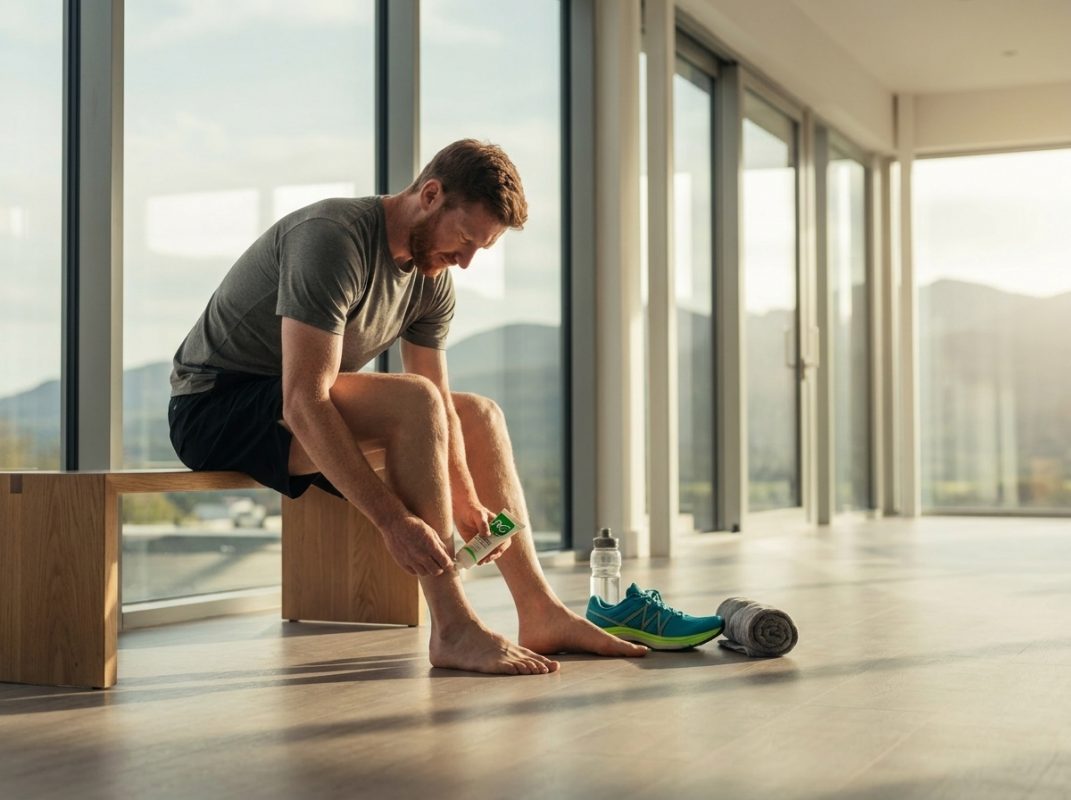
You’ve learned the causes of blisters and the best ways to treat them. But the ultimate goal isn’t just finding relief-it’s achieving a state where blisters never happen. This is where you shift from a reactive mindset to a proactive strategy. True, lasting blister relief feet comes from prevention, and that’s the final piece of your performance puzzle. RG Anti Chafe Balm isn’t a bandage; it’s your invisible armor.
Designed by athletes who were tired of being sidelined, RG Anti Chafe Balm provides a powerful, protective barrier that stops friction before it starts. Made with natural, plant-derived ingredients, our balm glides on smoothly, creating an invisible, non-greasy layer that lets your skin breathe. You won’t feel it, but you’ll feel the results: pure, uninterrupted performance.
Why Athletes Choose RG Anti Chafe Balm as Their Secret Weapon
Top performers don’t leave things to chance. RG Anti Chafe Balm is trusted by runners, hikers, and triathletes because its long-lasting, sweat- and water-resistant formula holds up under the toughest conditions. The easy-to-use stick fits perfectly in any gym bag, allowing for quick, mess-free application. It’s the secret weapon that ensures their focus stays on the finish line, not their feet.
Building Your Blister-Free Routine
Integrating prevention into your preparation is simple and effective. Follow these three steps to make painful foot blisters a distant memory:
- Step 1: Start with the Right Gear. Your foundation matters. Always begin with properly fitted shoes and high-quality, moisture-wicking socks to minimize moisture and pressure points.
- Step 2: Apply Your Invisible Armor. Make RG Anti Chafe Balm application a non-negotiable part of getting ready. Swipe a generous layer over heels, toes, and any other hot spots before you put on your socks.
- Step 3: Perform at Your Peak. Move with total confidence. Push your limits and conquer your goals without the nagging fear of painful interruptions.
Stop letting friction dictate your performance. It’s time to equip yourself with the best defense and unleash what you’re truly capable of.
Stop treating blisters and start preventing them. Shop RG Anti Chafe Balm now.
Step Beyond Blisters and Unleash Your Potential
You now have the complete playbook to conquer foot blisters for good. The key takeaway is simple: stop reacting and start preventing. While knowing how to treat a blister is crucial, the real power lies in making them a non-issue. True blister relief feet isn’t just about bandaging the damage-it’s about applying invisible armor before you even take your first step. This proactive mindset is what separates good athletes from great ones, allowing you to focus purely on your performance, not your pain.
Don’t let friction be the reason you fall short of your goals. Runglide is the secret weapon designed for and trusted by athletes who refuse to be sidelined. Its sweat-resistant formula provides long-lasting protection with natural, skin-safe ingredients, creating a frictionless barrier between you and your gear. It’s time to make painful blisters a story of the past.
Equip Yourself with Invisible Armor and Shop Runglide Balm Now! Your next finish line is waiting. Go conquer it.
Frequently Asked Questions About Foot Blister Relief
Can you run or work out with a foot blister?
While it’s best to rest, we know you have goals to conquer. If you must work out, you must protect the blister. Use a doughnut-shaped moleskin pad to relieve pressure and a hydrocolloid bandage to act as a second skin. This armor prevents further friction and pain. Listen to your body-if the pain worsens, it’s time to stop and recover. Your long-term performance is what truly matters.
How long does it take for a foot blister to heal completely?
Most foot blisters heal on their own within one to two weeks. The key is protecting the area from friction so the new skin can regenerate without interruption. If the blister remains intact, healing is often faster. A popped or deroofed blister will take longer, as the raw skin is exposed. Stay patient, keep it clean and protected, and you’ll be back to surpassing your limits in no time.
What is the fastest way to get rid of a painful blister?
The fastest path to blister relief feet is protecting the area so it can heal undisturbed. Don’t pop it! Popping a blister opens the door to infection and slows down recovery. Instead, clean the area and apply a specialized blister bandage, like a hydrocolloid dressing. This cushions the blister, absorbs excess fluid, and creates an optimal healing environment. This simple step is your secret weapon for getting back in the game fast.
Should I cover a blister to heal or let it air out?
Always cover a blister. The idea of “airing it out” is a myth that can delay healing and increase your risk of infection. A protective covering, like a blister bandage or moleskin, acts as a shield against bacteria and friction. It also maintains a moist environment, which is proven to speed up the skin’s natural repair process. Keep your blister covered and clean to let your body heal efficiently.
Why do I keep getting blisters in the exact same spot on my feet?
Recurring blisters are a clear signal from your body. They pinpoint a specific high-friction “hotspot” caused by your footwear, socks, or even your foot mechanics. It could be a seam inside your shoe, a poor fit that allows your heel to slip, or the way your foot strikes the ground. Identify the cause and eliminate it. This is your chance to fine-tune your gear and conquer those persistent trouble spots for good.
Does Vaseline or petroleum jelly work for blister prevention?
While petroleum jelly can temporarily reduce friction, it’s not a reliable long-term solution. It’s messy, breaks down quickly with sweat, and can degrade certain sock materials. For true, lasting protection, you need a barrier designed to withstand the demands of your activity. Look for specialized anti-chafe balms that create a durable, breathable layer of invisible armor, keeping you protected mile after mile without the greasy feel.
How do I know if my foot blister is infected?
Your body will give you clear warning signs of infection. Look for increased pain, swelling, or redness spreading from the blister site. Other red flags include warmth around the area or the formation of yellow or green pus. If you notice any of these signs, or if you develop a fever, it’s crucial to stop your activity and consult a healthcare professional. Don’t risk your long-term health; get the proper care you need.
Can the wrong type of socks cause blisters?
Absolutely. Your socks are your first line of defense against friction. Cotton socks are a common culprit, as they trap moisture against your skin, which softens it and dramatically increases the risk of blisters. Always choose moisture-wicking synthetic or wool-blend socks instead. They pull sweat away from your feet, keeping them drier and far less prone to blistering. The right socks are a powerful piece of gear in your performance arsenal.