
Uncategorized
The Ultimate First Aid Kit Guide 2026: Essentials for Home, Travel, and Performance
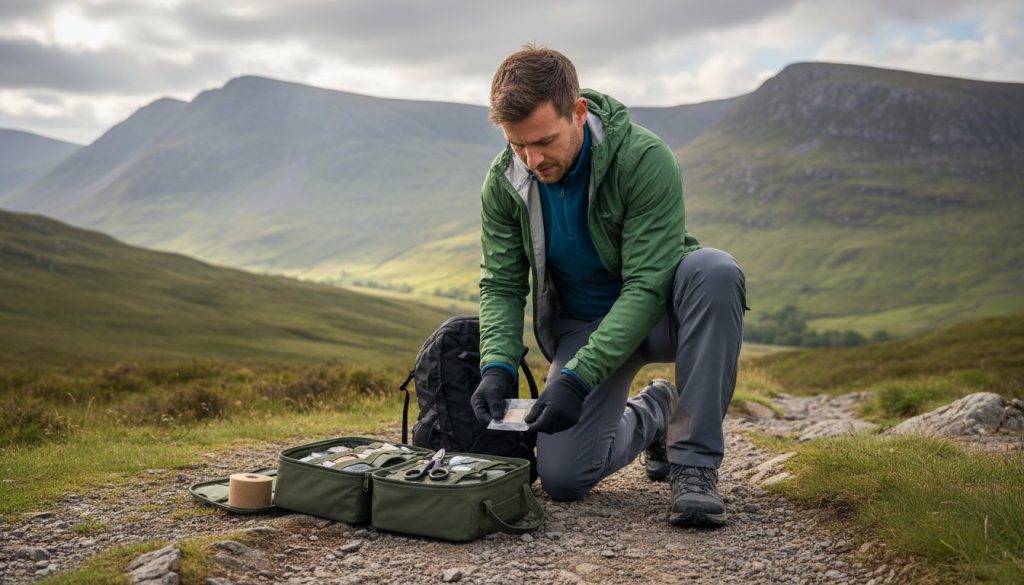
Mar
That pre-packaged first aid kit you bought is 90% useless filler. It’s a box of false confidence, stuffed with a hundred tiny bandages you’ll never use and missing the critical gear that actually saves a race, a hike, or a family outing.
We know the frustration. You want to be prepared, but you’re tired of wasting money on gear that fails you when it matters most. A painful blister can end a trek just as surely as a serious cut, yet most kits ignore the real-world irritations that stop you in your tracks.
This guide is your new blueprint. We’ll show you exactly what belongs in a modern, high-performance first aid kit built for action, from protecting your family at home to conquering your next personal best on the trail. Get ready to ditch the junk, build a customized kit that works, and gain the confidence to keep your body moving, irritation-free.
Key Takeaways
- Understand the critical differences between a basic kit and a modern, modular system to avoid wasting money on filler items.
- Go beyond simple bandages and discover the essential tools your high-performance first aid kit needs to handle any situation.
- Tailor your protection for any scenario with specific checklists designed for your home, car, and trail adventures.
- Unlock the secret weapon for peak performance by learning why proactive skin protection is the most overlooked first aid essential.
What is a Modern First Aid Kit? Beyond the Basics in 2026
Forget the rusty metal box under the sink. A modern first aid kit is your personal, portable support system. It’s a curated collection of supplies designed for immediate medical treatment and, more importantly, injury prevention. Think of it less as a box of bandages and more as a piece of high-performance gear. The core question of what a first aid kit contains has evolved; its answer in 2026 is a tool that empowers you to push your limits with confidence.
The days of one-size-fits-all kits are over. Today’s systems are specialized and modular. A trail runner’s pack is ultralight, focusing on blisters and sprains. A family’s car kit is comprehensive, ready for anything from a scraped knee to a severe allergic reaction. This evolution means every household and athlete can build a system tailored to their specific adventures. It’s no longer just about reacting to accidents; it’s about proactively managing your well-being so you can perform at your best.
The greatest benefit isn’t just physical. It’s psychological. Carrying the right gear eliminates the nagging “what if” that can cripple performance. Knowing you can handle a minor cut, a sudden headache, or a nasty blister frees up mental energy. You can focus on the trail ahead, not on what might go wrong. This is the freedom of preparation. It’s your secret weapon for conquering any challenge.
The Three Pillars of First Aid
An effective kit is built on three core principles. It’s a balanced system ready for any situation you might face on the trail or at home.
- Trauma Care: This is for the serious stuff. It includes supplies to manage significant bleeding with pressure dressings, stabilize potential fractures with splints, and treat burns. Your goal here is immediate control until professional help arrives.
- Daily Maintenance: These are the items that handle the small but disruptive issues. Think adhesive bandages for minor cuts, pain relievers for headaches, and antihistamines for surprise allergies or insect bites. They keep you moving comfortably.
- Prevention: The most overlooked, yet powerful, pillar. This is your armor. It includes moleskin for hot spots, anti-chafe balm to stop irritation before it starts, and sunscreen. Prevention stops a problem from ever derailing your adventure.
Legal and Safety Standards
Quality is non-negotiable when it comes to your health. Professionals look to established standards, and you should too. The ANSI/ISEA Z308.1-2021 standard, for example, outlines minimum requirements for workplace kits, setting a strong baseline for quality and completeness. Look for components that meet these rigorous benchmarks. “Medical grade” isn’t a marketing buzzword; it means adhesives that actually stick when you’re sweating and antiseptics that are proven effective. Finally, with up to 6% of the general population having a latex sensitivity, a modern kit must use non-latex components to be truly safe and inclusive for everyone in your group.
The Anatomy of a High-Performance First Aid Kit
A generic box of bandages won’t cut it on the trail. Your high-performance first aid kit is your secret weapon, a compact arsenal designed to keep you moving, conquer challenges, and handle emergencies with confidence. It’s not about just having supplies; it’s about having the right supplies. Think of it as your personal support crew, built for the unique demands of the outdoors.
Every hiker’s needs vary, but the foundation of a life-saving kit is universal. The core components should always align with expert recommendations, like the American Red Cross first aid kit checklist, which provides a solid baseline. From there, we build for performance. We upgrade the basics and add specialized gear to create a system that truly protects you.
Here’s the essential breakdown:
- Essential Tools: Don’t settle for flimsy tools. You need fine-tipped tweezers for removing tiny splinters or ticks, which can prevent infection within hours. Pack trauma shears, not scissors. Their blunt tip won’t puncture skin, and they can cut through denim, leather, or even a backpack strap in an emergency. A compact, non-mercury thermometer is also critical for accurately assessing fever or hypothermia.
- Wound Care: This is your frontline defense. Pack at least 10 sterile gauze pads (5cm x 5cm) for applying pressure to larger wounds and a roll of 2.5cm adhesive medical tape to secure them. Include a minimum of 15 assorted adhesive bandages, including specialized knuckle and fingertip shapes that stay put while you move.
- Medications: Smart medication choices can stop a problem before it escalates. Include single-dose packets of ibuprofen (200mg) to reduce inflammation from a sprain and acetaminophen (500mg) for general pain or fever. Pack diphenhydramine (25mg) for allergic reactions to stings or plants. Finally, add at least two electrolyte packets to restore the minerals lost through sweat, preventing muscle cramps and fatigue.
- Protection: Your safety comes first. Always include four pairs of nitrile gloves to protect yourself and the injured person from contamination. A CPR shield provides a safe barrier for rescue breathing. An emergency mylar blanket, which weighs less than 60 grams, can reflect up to 90% of your body heat, making it an indispensable tool for preventing hypothermia.
Beyond these immediate-response items, maintaining peak performance and recovery also involves proactive nutritional support. For those looking to understand more about how targeted supplements can support an active lifestyle, you can read more.
Advanced Wound Management
For deeper cuts or persistent blisters, basic bandages fall short. Hydrocolloid bandages are a game-changer; they create a moist, cushioned environment that accelerates healing much faster than traditional plastic strips. Always clean a wound with an antiseptic wipe before applying a triple-antibiotic ointment. For small cuts in high-flex areas like fingers, liquid skin creates a waterproof seal that a bandage can’t match, allowing you to perform tasks without compromise.
The “Performance” Add-ons
This is where a standard first aid kit becomes a performance tool. Friction is the hiker’s enemy. While moleskin is a classic defense, proactive solutions like RG Anti Chafe Balm provide invisible armor, stopping hot spots before they ever form. Sun protection is equally vital; pack an SPF 30+ lip balm and a 30ml tube of sunscreen. For personal medications, use a small, waterproof, and clearly labeled pill fob to keep them safe, organized, and instantly accessible.
Beyond just external protection, managing exercise-induced inflammation and supporting recovery are critical components of a modern performance strategy. Many athletes turn to natural wellness solutions for this, and the CBD Health Collection offers a curated range of products that can support an active lifestyle.
Building vs. Buying: Which First Aid Solution Wins?
The choice between a pre-made kit and a DIY setup is your first strategic decision in trail safety. One offers instant readiness; the other offers precision-tuned protection. Your mission dictates the right tool. Don’t just grab the first box you see. Analyze your needs, understand the trade-offs, and build or buy the solution that keeps you moving forward, no matter what the trail throws at you.
Let’s break down the cost. A pre-packaged hiking kit from a reputable brand can cost anywhere from $25 to over $100. While building your own might seem cheaper, sourcing high-quality individual components can quickly add up. The real difference isn’t the final price tag; it’s value. Many commercial kits suffer from the “Filler Problem.” They bulk up their item count with low-value supplies, like 30 tiny, non-waterproof bandages or single-use sting relief pads. Often, over 25% of the contents are things you’ll either never use or that will fail when you need them most. A quality first aid kit is defined by its effectiveness, not its item count.
Customization is where the DIY approach becomes your secret weapon. Do you have a severe bee sting allergy? Your kit needs an EpiPen, something no standard kit includes. Are you hiking with young children? You’ll need pediatric-dose antihistamines and kid-friendly bandages. Building your own allows you to pack exactly what your family needs, turning a generic safety item into personalized armor. For a solid foundation, look at kits from trusted organizations like MyMedic or the American Red Cross. They provide a reliable, professionally vetted baseline that you can then customize with your personal essentials.
Pros and Cons of Pre-made Kits
Pre-made kits offer undeniable convenience. They are professionally organized and ready for immediate deployment. This makes them an excellent choice for a car kit or general home use where you need a broad, reliable solution fast. The primary drawback is the lack of specialization. You may pay for a dozen items you will never touch, while critical gear for your specific sport is missing entirely. They are a great start, but rarely the perfect finish.
The DIY Approach for Athletes
For serious athletes, a DIY kit is the path to peak preparedness. Start by choosing a durable, waterproof container; a 1-liter dry bag or a compact hard-shell case works perfectly. Next, create an inventory checklist tailored to your activity. Your list should be as detailed as your training plan, drawing from expert resources like the official U.S. government emergency preparedness kit guidelines to ensure you cover all potential hazards. This method is ideal for ultra-runners, thru-hikers, and specialized travelers who demand performance-driven gear without any dead weight.
Activity-Specific Checklists: Tailoring Your Protection
One size never fits all, especially when it comes to safety. The comprehensive first aid kit you keep under your sink is powerful, but it’s not practical for a 10-mile trek. True preparedness means customizing your gear for the mission ahead. Think of it as building a specialized toolkit. Your protection should adapt to your environment, your activity, and your potential risks. Let’s break down the essentials for every scenario.
Your home kit is your command center. It’s built for volume and variety, ready for anything from a kitchen burn to a child’s scraped knee. It should contain full-sized items you wouldn’t dare carry in a pack: a 250ml bottle of antiseptic wash, a digital thermometer, and a wide array of bandages, from small circular ones to 4×4 inch sterile gauze pads for larger wounds.
The car or travel kit acts as a bridge between home and the unknown. Its contents must endure extreme temperatures, from a frigid -10°C in winter to a blistering 40°C in a sun-baked car. Focus on road safety essentials: a Mylar emergency blanket rated for sub-zero conditions, LED emergency flares with a 72-hour battery life, and a seatbelt cutter. This kit is your guardian on the road.
For the trail, every gram matters. Your hiking first aid kit is an exercise in efficiency, prioritizing two things: trauma and the environment. Pack for sprains, fractures, and deep cuts. Key items include a 113-gram SAM splint, a compact tourniquet, and, crucially, blister prevention. You’ll also need protection from what the environment throws at you: insect repellent with at least 20% DEET and a broad-spectrum SPF 30+ sunscreen are non-negotiable.
Finally, your urban daily carry is about minimalism. This tiny kit, small enough for a laptop bag, handles the common headaches of city life. Think 3-4 adhesive bandages, two antiseptic wipes, and single-dose packets of ibuprofen and antihistamines. It’s simple, light, and surprisingly effective.
The Runner’s First Aid Essentials
For runners and high-performance athletes, portability is everything. Your kit must be feather-light and streamlined. Focus on high-impact essentials that address the most common running injuries. This includes sterile saline pods for flushing debris from a fall, butterfly closures for temporarily closing a nasty gash, and robust friction protection. The best first aid is prevention. Stop chafing and blisters before they stop you. Shop for your performance essentials and build a kit that keeps you moving.
Maintaining Your Kit in 2026
A neglected kit is a useless one. Your supplies are your lifeline, so treat them with respect. Set a bi-annual “Expiration Audit” on your calendar for January 1st and July 1st every year. During this check, discard any expired medications or degraded supplies. Immediately replace anything you use. Don’t fall into the “Empty Kit” trap; a half-empty pack offers false security. Finally, update your kit seasonally. After June 21st, add electrolyte tablets and aloe vera gel. After December 21st, pack in chemical hand warmers and an extra thermal blanket. Stay ready. Stay protected.
The Secret Weapon: Why Skin Protection is First Aid
Most hikers think of a first aid kit as a collection of bandages, antiseptics, and pain relievers. It’s a reactive tool, designed to fix what’s already broken. But what if the most powerful item in your kit wasn’t for treating an injury, but for preventing one from ever happening? Friction-based injuries like blisters and chafing are the number one reason hikers cut their trips short. In fact, studies in the Journal of the American Academy of Dermatology consistently find that blisters are the single most common skin complaint among athletes. It’s time to rethink what first aid truly means.
The smartest approach is to stop the damage before it starts. Think of it as your “Invisible Armor.” A traditional bandage is an admission of defeat; you apply it after your skin has already been torn apart by friction. It can slip, get wet, and often fails in high-movement areas. An anti-chafe balm, however, is a proactive shield. It’s a secret weapon that creates a durable, frictionless surface, allowing your skin to glide instead of grind. You aren’t patching a wound; you’re building a defense so a wound never forms in the first place.
Preventing Friction-Based Injuries
A simple patch of raw skin from chafing isn’t just painful; it’s a breach in your body’s primary defense. This broken skin becomes an open invitation for bacteria like Staphylococcus aureus, leading to secondary infections that can turn a minor annoyance into a serious medical issue. Barrier balms work by creating a microscopic layer that virtually eliminates the friction coefficient between skin and fabric, stopping the entire cycle of irritation, breakdown, and infection before it begins. The goal is to conquer the trail, not your gear. Pay special attention to these common hot spots:
- Thighs: The constant rubbing during a long hike can quickly lead to painful inflammation.
- Underarms & Shoulders: Where pack straps and clothing seams create constant pressure points.
- Feet: The source of trip-ending blisters around heels, toes, and the balls of your feet.
Unleash Your Potential with RG Anti Chafe Balm
Your endurance isn’t just about muscle and cardio; it’s about comfort and focus. Pain is the ultimate distraction. When you’re constantly focused on a burning hot spot, you lose connection with your performance and the environment around you. By eliminating that pain, you unlock your true potential to push further and climb higher. Our formula is specifically engineered for peak performance. It’s natural and completely petroleum-free, which means it won’t degrade expensive technical apparel or clog your pores like older, grease-based products. It lets your skin breathe while providing impenetrable protection.
Don’t wait for the pain to tell you something is wrong. A truly performance-focused first aid kit is built on prevention. Make RG Anti Chafe Balm the first thing you pack. It’s the essential piece of gear that guarantees you can conquer any challenge, chafe-free. Equip your first aid kit with RG Anti Chafe Balm today.
Your Performance Armor for 2026
Your preparation defines your performance. The modern approach to readiness isn’t just about reacting to cuts and scrapes; it’s about proactively defending your body so you can push your limits without fear. Remember that skin protection is the secret weapon of first aid. With friction-based issues sidelining over 1 million amateur athletes annually in the US alone, your 2026 first aid kit isn’t complete without a powerful preventative layer against irritation.
That’s why the most critical item in your bag is the one you apply before you even start. Equip yourself with the invisible armor trusted by seasoned athletes and trekkers everywhere. RG Anti Chafe is your first line of defense, built with natural, petroleum-free ingredients that provide durable protection without compromise. Don’t let chafing or blisters dictate your goals.
It’s time to stop problems before they start. Unleash your potential and shop the RG Anti Chafe collection. Now go conquer your next challenge.
Frequently Asked Questions
What are the 10 basic items in a first aid kit?
Your essential trail armor should include 10 core items as recommended by the American Red Cross. Pack assorted adhesive bandages, antiseptic wipes, antibiotic ointment, and pain relief medication like ibuprofen. Also include sterile gauze pads, medical tape, tweezers for splinters, blister treatment like moleskin, and nitrile gloves. Finally, add an emergency blanket. These basics help you conquer minor issues, keeping you focused on your adventure and performing at your best.
Do first aid kits expire?
Yes, supplies in your first aid kit definitely expire. Adhesives on bandages and tapes lose their stickiness, and sterile packaging can degrade over 2-3 years. Medications and ointments lose their potency after their printed expiration date, which is typically 1 to 5 years from manufacture. For example, antiseptic wipes can dry out and become useless. Always check the dates on every item to ensure your gear is ready to protect you when you need it.
What is the most important item in a first aid kit for runners?
The most important item for any runner is high-quality blister care. Blisters affect up to 39% of marathon runners, so prevention and treatment are your secret weapons. Your kit must include moleskin or specialized blister cushions to protect hot spots. The best defense, however, is prevention. Using an anti-chafe balm before your run creates an invisible barrier, stopping the friction that can sideline you. Don’t let a preventable injury stop you from hitting your next goal.
Should I include prescription medications in my travel kit?
Absolutely. Always pack any personal prescription medications you need. The U.S. Transportation Security Administration (TSA) recommends you keep them in their original pharmacy-labeled containers for clear identification. It’s also a smart move to carry a copy of your prescription. We suggest packing at least a 3-day extra supply. This simple step protects you against unexpected travel delays, ensuring you have what you need to stay healthy and strong on your trip.
How often should I check my first aid supplies?
You should perform a full check of your first aid supplies at least every 6 months. A great way to remember is to do it when you change your clocks for Daylight Saving Time. Set a calendar reminder for the first Sunday in March and November. During your check, replace any used items, dispose of expired medications, and confirm that adhesive bandages are still sticky. This habit ensures your kit is always reliable and ready for action when you need it most.
What is the difference between a trauma kit and a first aid kit?
A first aid kit is designed for common, minor injuries, while a trauma kit is for stopping life-threatening emergencies. Your hiking kit contains items like bandages, antiseptic wipes, and pain relievers for scrapes and sprains. A trauma kit, however, contains advanced gear like tourniquets, chest seals, and hemostatic agents designed to control catastrophic bleeding from a severe injury. Know which tool you need for the job until professional medical help arrives.
Can I use an anti-chafe stick on an existing blister?
No, you should not apply an anti-chafe stick to an open or existing blister. Anti-chafe products are your armor for prevention, designed to be used on intact skin to stop friction before it causes damage. Applying balm to broken skin can trap bacteria, increasing the risk of infection. Instead, clean the area, apply an antiseptic, and cover it with a sterile blister bandage. This protects the wound and allows your body to heal properly without complications.
What size first aid kit do I need for a family of four?
For a family of four on a day trip, you need a group kit designed for 3-5 people that weighs between 1 and 1.5 pounds. Look for a kit that contains multiples of key items, such as 15-20 assorted adhesive bandages, several packets of antiseptic wipes, and enough pain relief for four people. This ensures you have the supplies to handle more than one minor injury without adding unnecessary weight to your pack, keeping your family safe and on the move.
